
11 Jun, 2026
Beyond Rhinos and Tigers: Kaziranga Emerges as a Haven for Rare Vultures, Eagles and Storks
Known worldwide for its one-horned rhinos and thriving tiger population, Kaziranga National Park has now earned recognition for something equally remarkable, its rich birdlife. A recent survey conducted across the Kaziranga Tiger Reserve recorded six of India’s eight stork species and 30 species of raptors, highlighting the reserve’s growing importance as a bird conservation hotspot in India. The findings included several globally threatened birds, reinforcing Kaziranga’s status as a crucial habitat for endangered birds in Assam.
Kaziranga’s Remarkable Bird Diversity Comes to Light
The survey, conducted between February and March 2026 by the Kaziranga Tiger Reserve authority in collaboration with researchers from Assam’s universities, documented an impressive variety of birds across wetlands, grasslands, riverine forests, and woodland habitats.
Researchers recorded:
- 30 species of raptors (birds of prey)
- 217 individual raptors
- 6 species of storks
- 266 individual storks
These numbers reveal that Kaziranga supports nearly 45% of all raptor species found in India, making it one of the country’s most important destinations for birdwatching in Assam and avian conservation.
Rare and Threatened Species Found Across the Reserve
One of the survey’s most significant outcomes was the documentation of several globally threatened bird species. The presence of these species demonstrates the ecological value of Kaziranga’s diverse habitats and its role in safeguarding some of Asia’s most vulnerable birds.
Among them were:
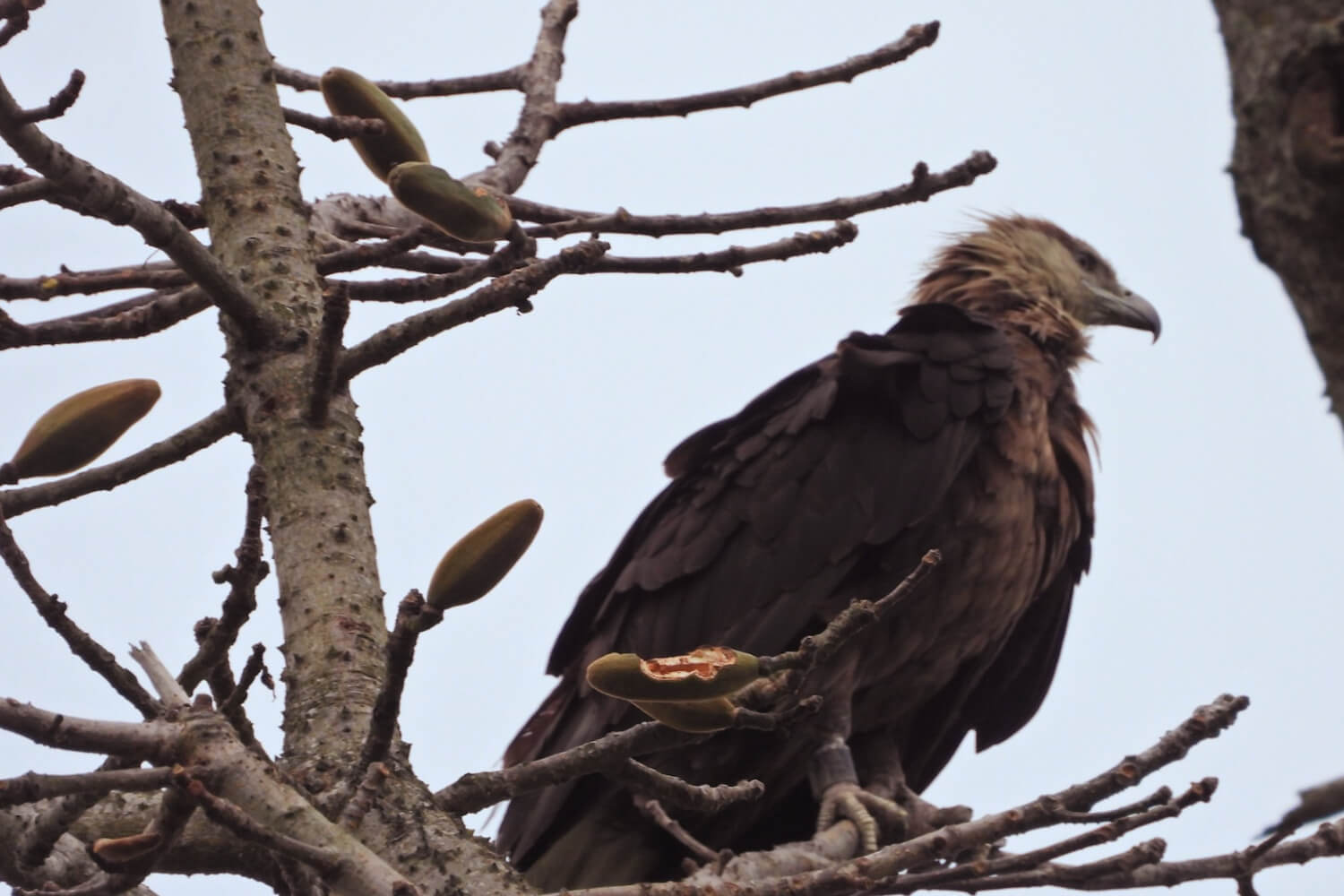
- Slender-billed Vulture
- Red-headed Vulture
- Pallas’s Fish Eagle
- Greater Spotted Eagle
- Greater Adjutant
- Lesser Adjutant
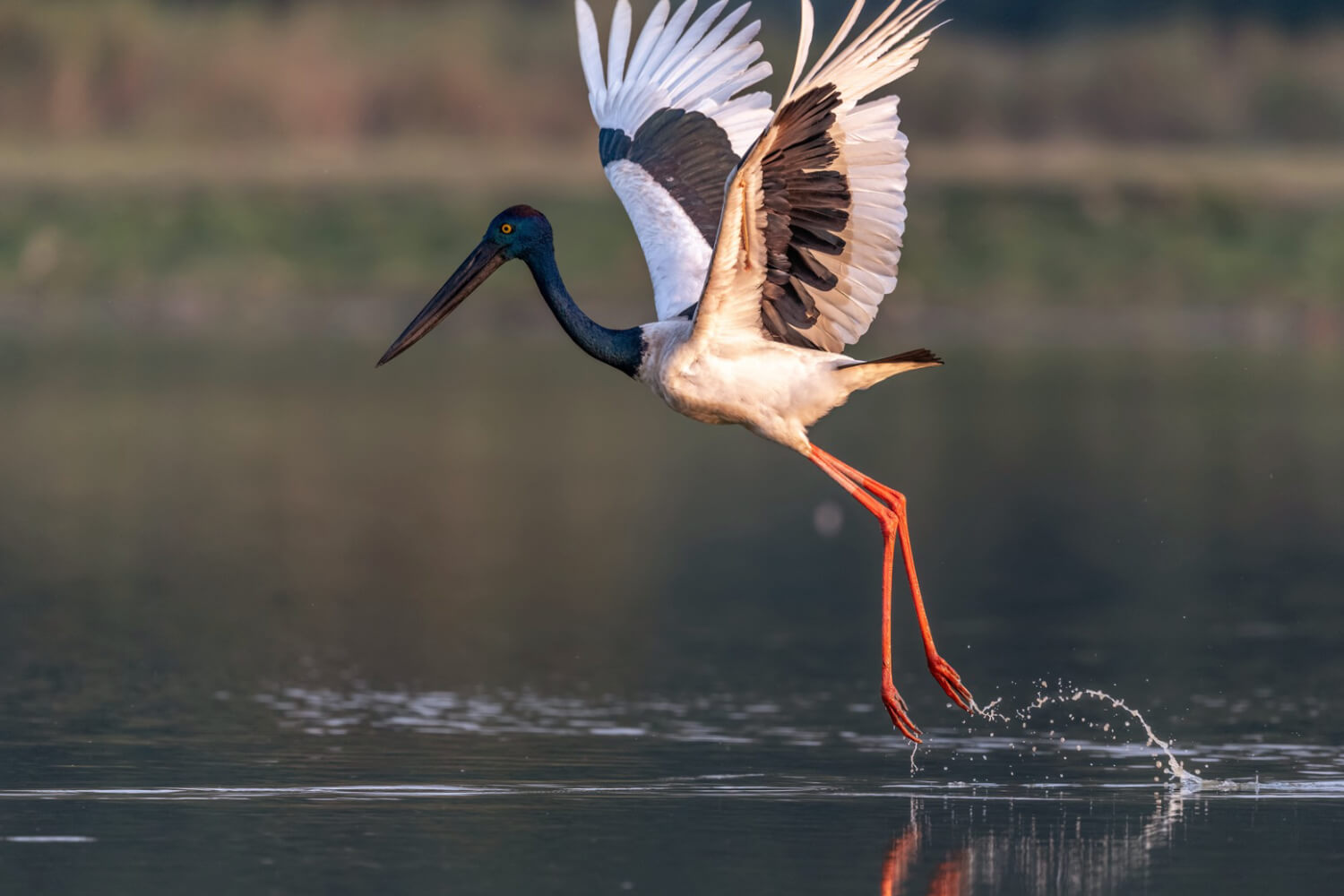
- Black-necked Stork
- Steppe Eagle
The Birds That Were Seen Most Often
The survey also highlighted some interesting trends in bird abundance.
- The Asian Openbill emerged as the most commonly recorded stork, with 92 sightings across the reserve. In contrast, the endangered Greater Adjutant was observed only three times, underlining its rarity.
- Among raptors, the Himalayan Griffon Vulture was the most frequently sighted species, while both the Booted Eagle and White-tailed Eagle were recorded just once.
- These observations provide valuable insights into population trends and habitat preferences within the reserve.
Kaziranga’s Global Importance for Pallas’s Fish Eagle
Perhaps the most important conservation story from the survey revolves around the endangered Pallas’s Fish Eagle.
Kaziranga is considered one of the world’s most significant breeding grounds for the species. A previous study by the Wildlife Institute of India identified ten active nests within the reserve, the highest known concentration of breeding sites recorded anywhere globally.
Researchers also highlighted the remarkable story of “Ider,” a satellite-tagged eagle from Mongolia that continues to return to Kaziranga during its migration journey. The repeated visits showcase the reserve’s international importance for migratory bird conservation.
Different Landscapes, Different Bird Communities

The survey found that bird diversity varied across different administrative divisions.
The Kaziranga National Park division recorded the highest overall diversity, while the Biswanath Wildlife Division proved particularly important for stork populations. The Nagaon Wildlife Division also supported a healthy mix of raptors and storks.
This diversity reflects the strength of Kaziranga’s ecosystem, where wetlands, floodplains, grasslands, and forests together create ideal conditions for a wide variety of bird species.
Why These Findings Matter?
For decades, Kaziranga has been celebrated as a stronghold for rhinos, tigers, elephants, and wild buffalo. This latest survey shows that the reserve is equally important for bird conservation. The findings will help guide future conservation efforts, including habitat management, nest protection, mitigation of powerline-related threats, and long-term monitoring of vulnerable species.
As conservationists continue to study and protect the region, Kaziranga National Park is proving that its ecological significance extends far beyond its iconic mammals. It is rapidly emerging as one of the most important landscapes for bird conservation in India, offering a safe refuge for rare vultures, majestic eagles, and endangered storks alike.
Other Interesting Blogs to Read
- Popular Tea Gardens to Visit in Assam
- Tea Estate Tourism at Kaziranga National Park
- Rare Golden Tiger Sighting at Kaziranga National Park
- Best Tourist Destinations in Assam
- The Rhino Population of Kaziranga National Park in Assam Rises
- Best Places to Visit in Kaziranga National Park
- Interesting Facts About Kaziranga National Park
- Importance of the Conservation of Greater One-Horned Rhinos
- Best Wildlife Resorts to Stay in Kaziranga
- Top 10 Reasons to Visit Kaziranga Tiger Reserve in Assam
- Discover Kaziranga Beyond Wildlife: Culture, Heritage & Nature
- Astro Tourism in Kaziranga
- Kaziranga Elevated Corridor
- Freshwater Turtle Population in Kaziranga National Park
- Elephant Safari in Kaziranga
- Kaziranga Emerges as a Global Avian Hub with 103 Migratory Species Recorded This Winter
- Kaziranga Emerges as a Fishing Cat Stronghold with 57 Individuals Recorded in Its First Scientific Survey
- Waterbird Population in Kaziranga
- Kaziranga’s Panbari Reserve Forest Now Open to Tourists: A Birdwatcher’s Delight







 Share
Share Home
Home Packages
 Book Now