
17 Jun, 2026
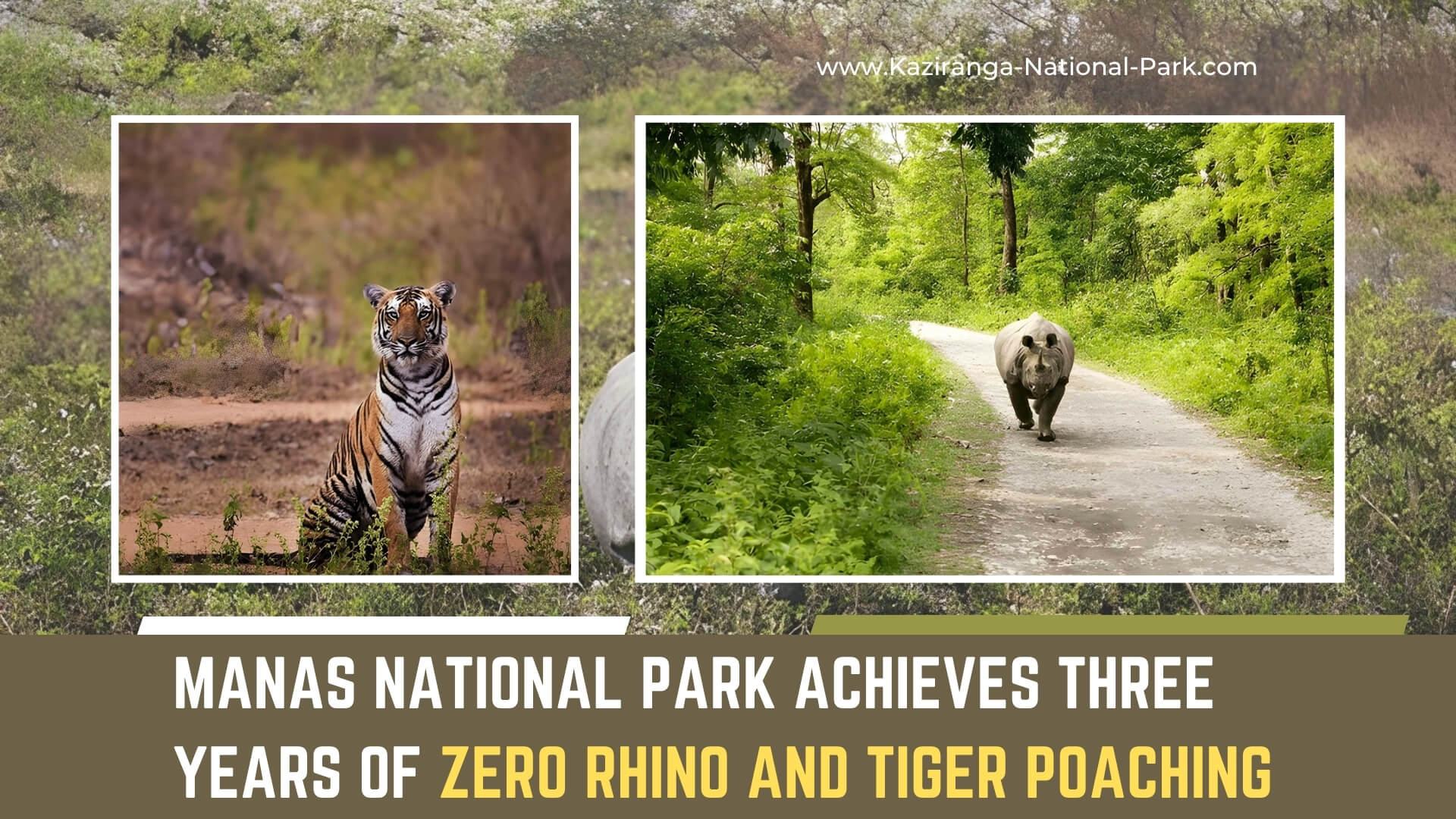
Manas National Park Achieves Three Years of Zero Rhino and Tiger Poaching
Manas National Park has recorded no cases of rhino or tiger poaching for three consecutive years, marking a significant conservation achievement for Assam’s flagship wildlife reserve. Assam Chief Minister Himanta Biswa Sarma said the UNESCO-listed reserve has come a long way, changing from an area once affected by wildlife crime into a successful example of wildlife conservation. The achievement reflects the combined efforts of forest officials, frontline staff, anti-poaching teams, and local communities. As one of India’s most biodiverse protected areas, Manas Tiger Reserve continues to strengthen its reputation as a leading example of effective wildlife protection and habitat conservation.
Zero Rhino and Tiger Poaching in Manas National Park for 3 straight years!
From an era where poaching dominated news headlines to now when zero poaching is the new normal- this feat signifies the relentless efforts Assam has undertaken to preserve our faunal diversity. pic.twitter.com/JJ1RJ9N93K
— Himanta Biswa Sarma (@himantabiswa) June 16, 2026
From Poaching Concerns to Conservation Progress
- For decades, poaching remained one of the biggest threats to wildlife across Assam’s protected areas.
- The latest milestone at Manas National Park highlights how sustained conservation measures can deliver long-term results.
- According to state authorities, intensive field patrols, round-the-clock monitoring, intelligence-based operations, and community participation have played a vital role in preventing poaching incidents involving rhinos and tigers.
The Efforts Behind the Success
- Assam Forest Minister Jayanta Mallabaruah said the achievement was possible because of the hard work and commitment of forest staff.
- He noted that frontline workers have played a key role in conservation by carrying out regular patrols in dense forests and keeping a close watch on sensitive areas.
- Officials also highlighted the role of local communities living around the park. They said involving residents in conservation efforts has helped build stronger support for wildlife protection and reduce threats to endangered animals.
A Biodiversity Hotspot of Global Importance
Recognized as a UNESCO World Heritage Site, Manas National Park is among India’s most important wildlife landscapes. Located in the foothills of the Himalayas, the reserve supports an impressive range of rare and endangered species.
- The park is home to the Greater One-Horned Rhinoceros, Royal Bengal Tiger, Asian Elephant, Clouded Leopard, Golden Langur, Pygmy Hog, Hispid Hare, and Assam Roofed Turtle.
- Its rich ecosystems also support more than 450 recorded bird species, making it a significant destination for birdwatchers and conservationists alike.
Strengthening Assam’s Conservation Legacy
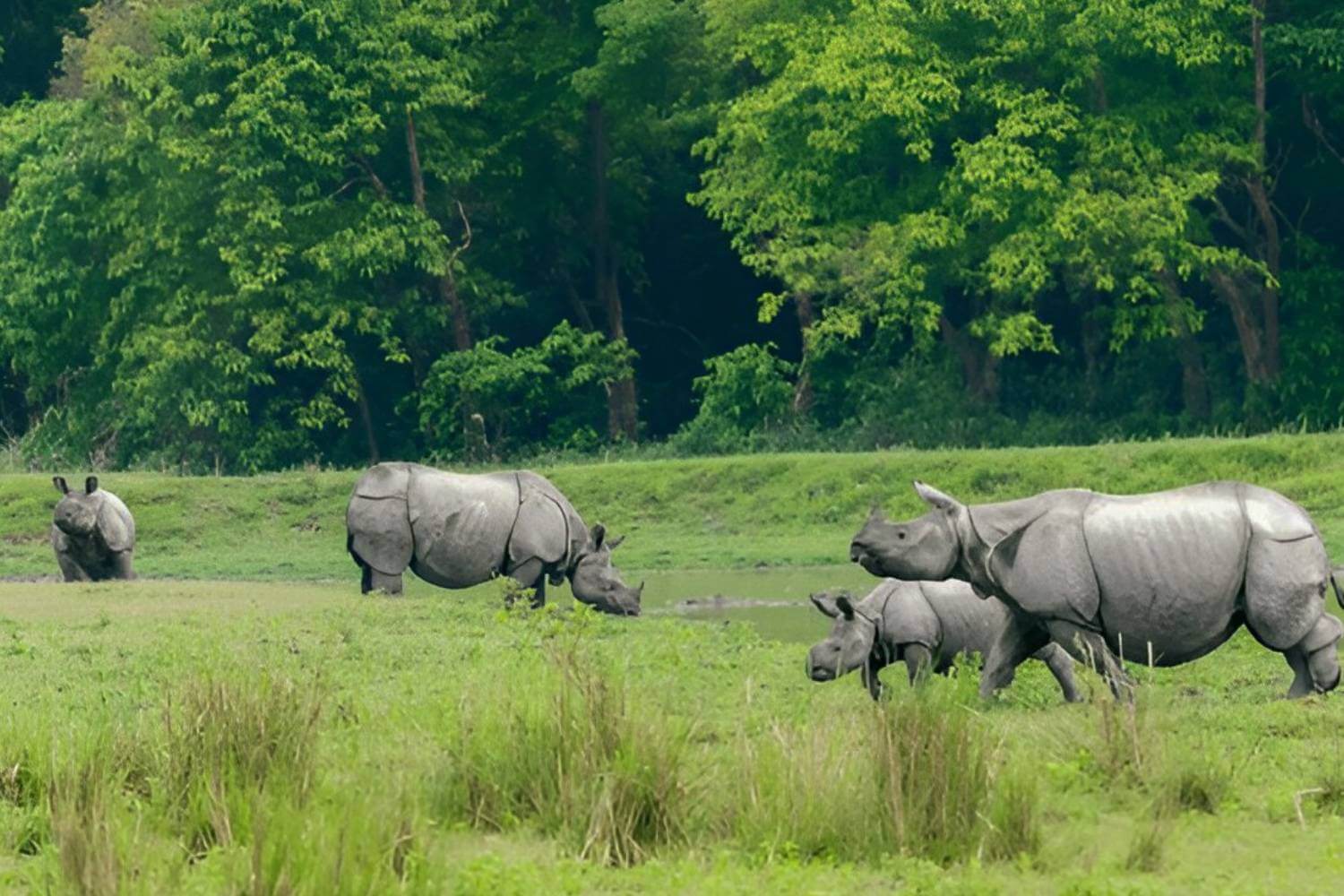
The achievement comes at a time when Assam continues to emerge as a global success story in wildlife conservation. The state currently shelters nearly 80 percent of the world’s population of Greater One-Horned Rhinoceros, with rhino numbers increasing from around 1,500 in the 1980s to more than 4,000 today.
The three-year record of zero poaching in Manas Tiger Reserve demonstrates how focused protection measures, community involvement, and strong governance can secure a safer future for some of the world’s most threatened wildlife species.
Other Interesting Blogs to Read
- Popular Tea Gardens to Visit in Assam
- Tea Estate Tourism at Kaziranga National Park
- Rare Golden Tiger Sighting at Kaziranga National Park
- Best Tourist Destinations in Assam
- The Rhino Population of Kaziranga National Park in Assam Rises
- Best Places to Visit in Kaziranga National Park
- Interesting Facts About Kaziranga National Park
- Importance of the Conservation of Greater One-Horned Rhinos
- Best Wildlife Resorts to Stay in Kaziranga
- Top 10 Reasons to Visit Kaziranga Tiger Reserve in Assam
- Discover Kaziranga Beyond Wildlife: Culture, Heritage & Nature
- Astro Tourism in Kaziranga
- Kaziranga Elevated Corridor
- Freshwater Turtle Population in Kaziranga National Park
- Elephant Safari in Kaziranga
- Kaziranga Emerges as a Global Avian Hub with 103 Migratory Species Recorded This Winter
- Kaziranga Emerges as a Fishing Cat Stronghold with 57 Individuals Recorded in Its First Scientific Survey
- Waterbird Population in Kaziranga
- Kaziranga’s Panbari Reserve Forest Now Open to Tourists: A Birdwatcher’s Delight




 Share
Share Home
Home Packages
 Book Now