
28 Sep, 2026
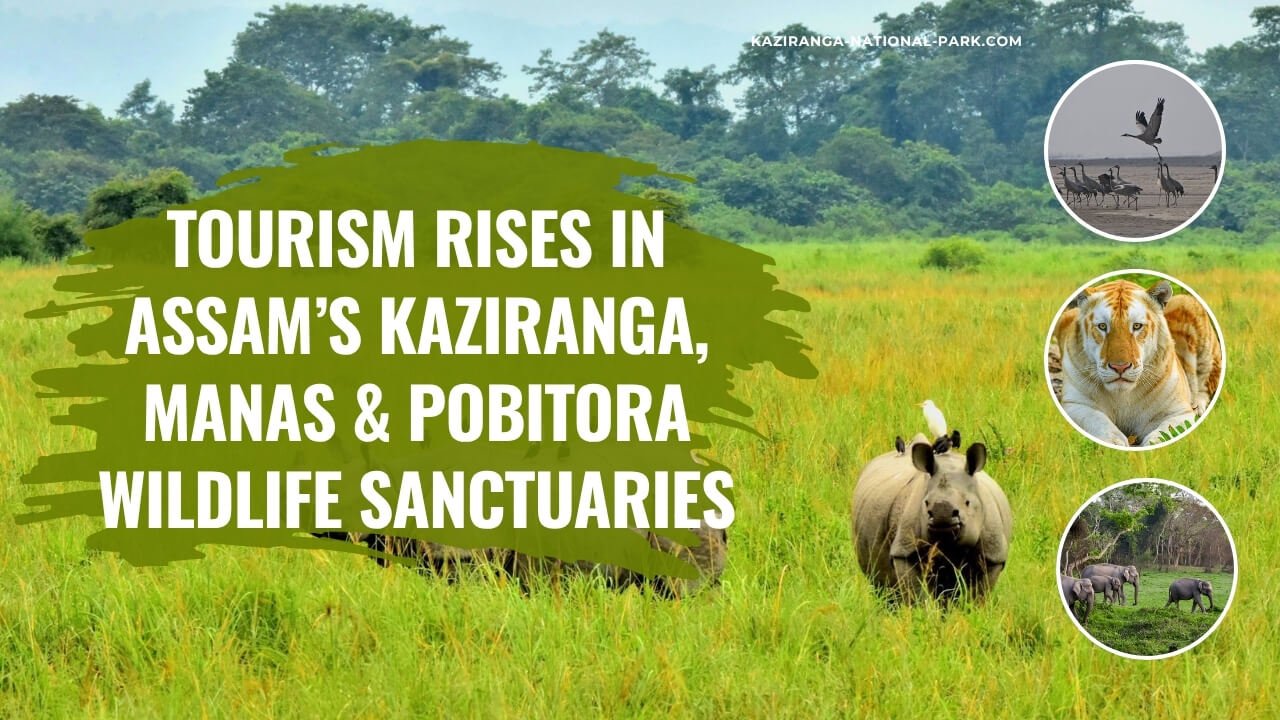
Tourism Rises in Assam’s Kaziranga, Manas & Pobitora Wildlife Sanctuaries
Assam Reframes Its Wildlife Economy as Kaziranga, Manas and Pobitora Post Fresh Visitor Gains
Assam has begun publicly positioning its wildlife circuit less as a safari product and more as a community-linked conservation economy, with fresh footfall figures from three flagship reserves offered as the proof point.
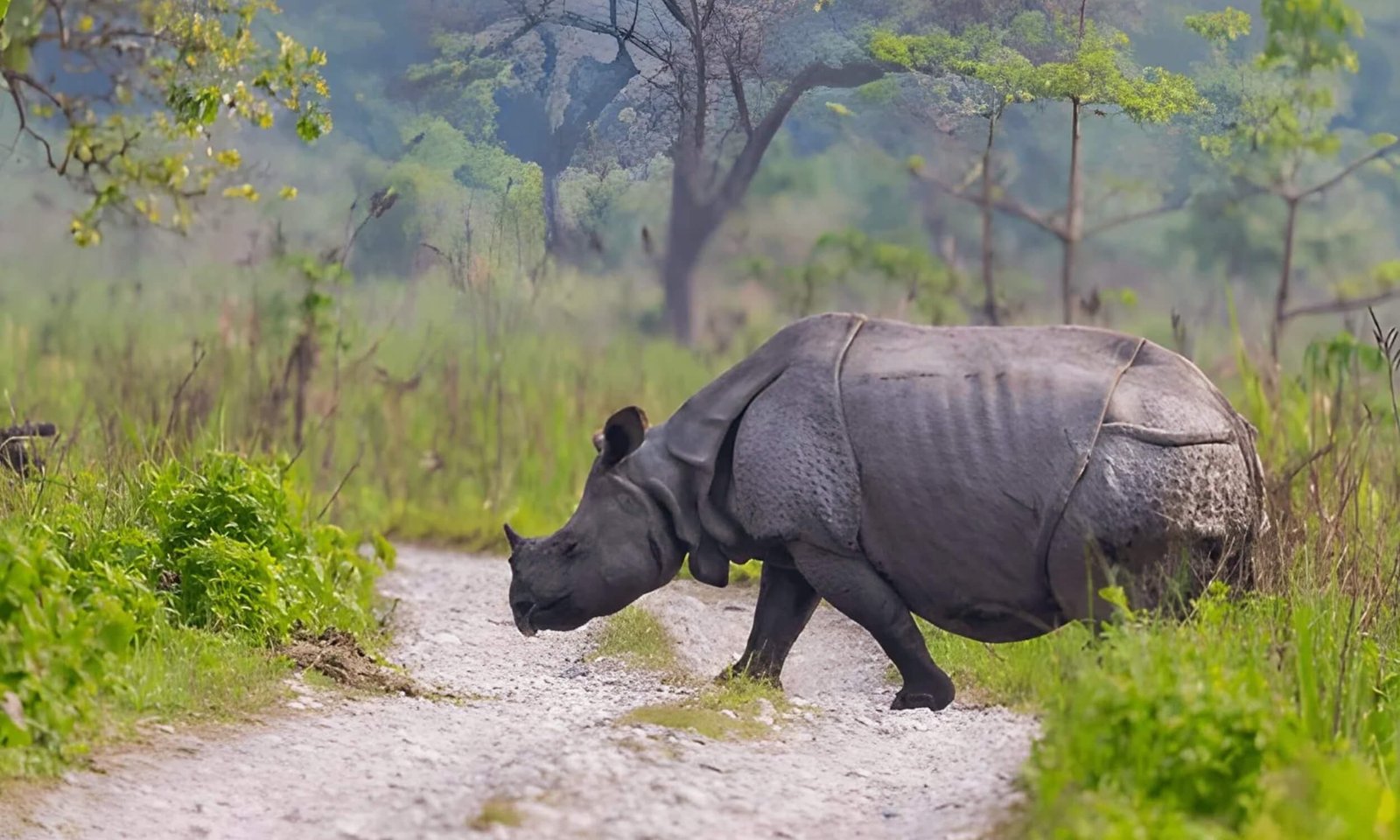
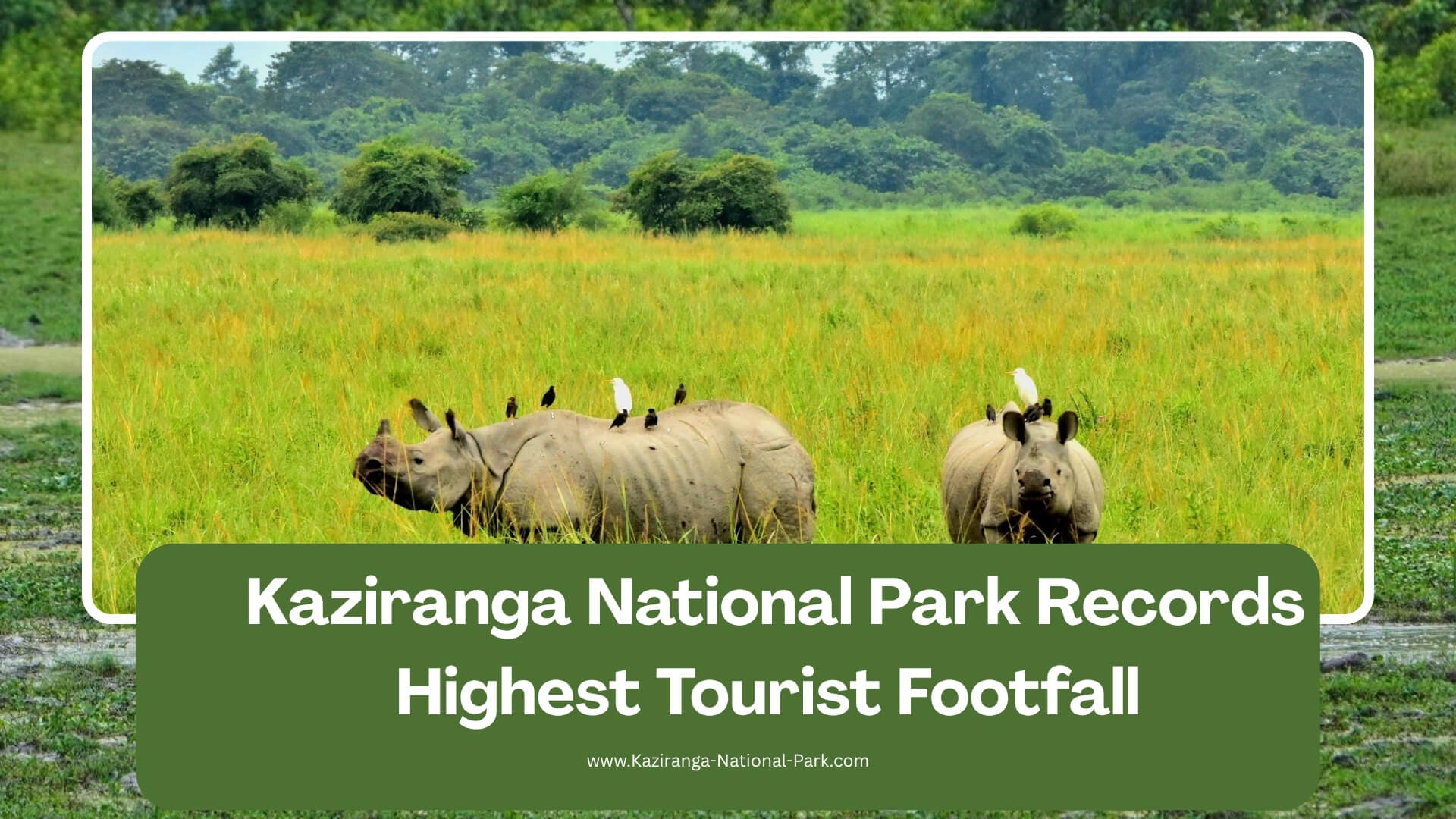
Speaking on World Tourism Day on Saturday, Environment and Forest Minister Jayanta Mallabaruah said Kaziranga National Park recorded 4.58 lakh visitors in 2025-26, up from 4.22 lakh the previous year. Pobitora Wildlife Sanctuary logged 35,371 arrivals. Manas National Park, closed for the monsoon, is set to reopen for the new tourism season on October 2, with a further rise in footfall reported at its last opening.
The bigger shift, however, is in how the state is choosing to talk about those numbers. Rather than leading with rhino sightings or jeep safaris, the traditional pitch for Kaziranga, Mallabaruah highlighted nature and cycling trails, eco-stays, ethnic restaurants and boat safaris across the wider landscape as the drivers of return visits.
“This is the model we want to strengthen across Assam to protect our natural heritage, diversify responsible tourism and ensure that the economic benefits of conservation reach the communities living closest to our forests,” Mallabaruah said.
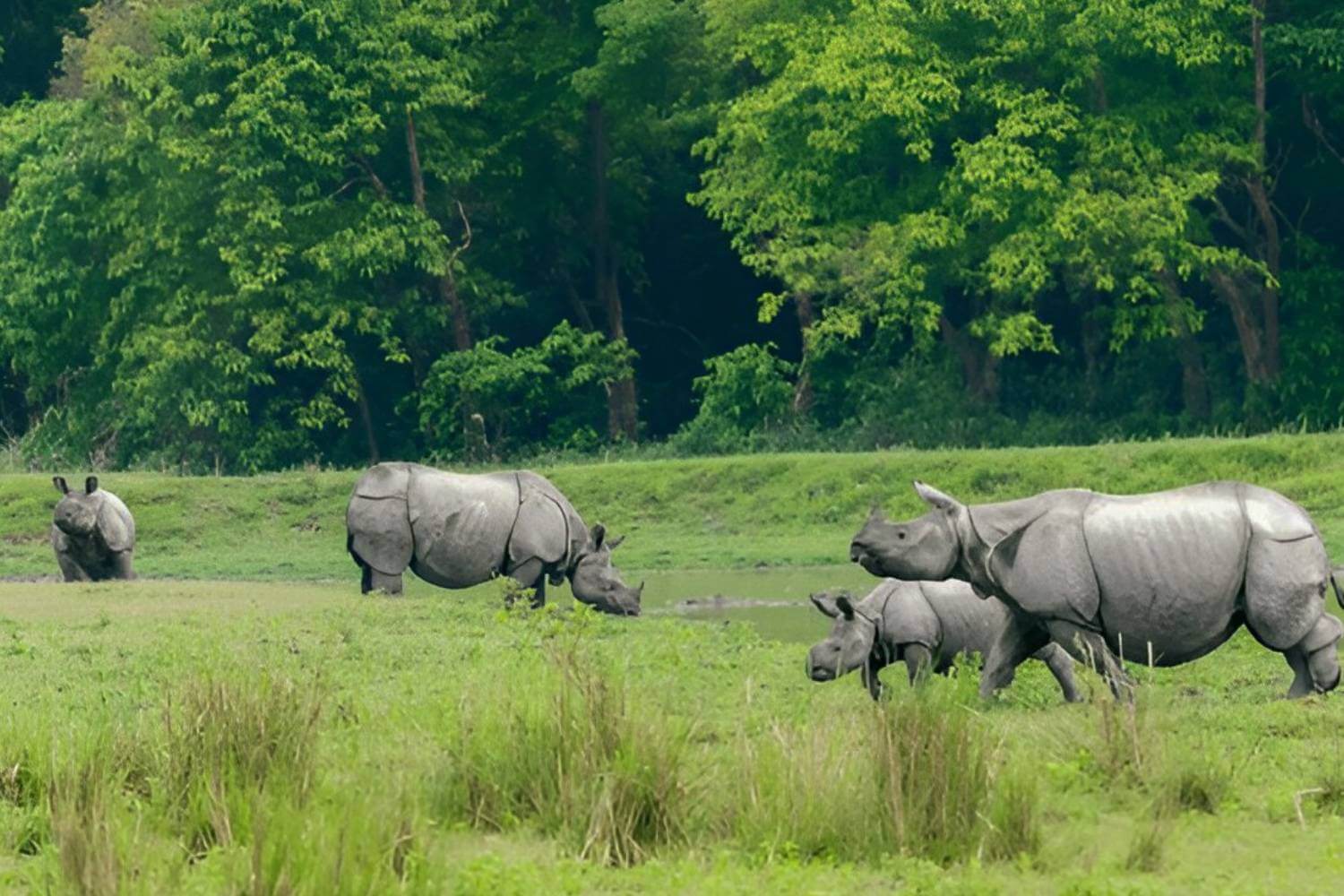
Pobitora, the small sanctuary on the outskirts of Guwahati long overshadowed by Kaziranga, was singled out as the emerging test case for that approach. “Pobitora is steadily emerging as an important nature-tourism destination, with 35,371 visitors in 2025-26,” the minister said, adding that forest-fringe communities were being brought in through guiding, interpretation and landscape-reading roles rather than treated as passive neighbours to the park.
Manas, a UNESCO World Heritage Site in the Bodoland Territorial Region, feeds into the same narrative. Forest authorities have flagged rising wild animal sightings inside the reserve, which they attribute to sustained anti-poaching and habitat work, and which in turn are being marketed as the reason visitors are extending stays.
“Our aim is simple: tourism must strengthen conservation, and conservation must create opportunities for our people,” Mallabaruah added. The state’s messaging comes as several Indian wildlife destinations are competing for the same domestic and foreign traveller, with product differentiation, rather than raw visitor counts, increasingly framed as the deciding factor.
Other Interesting Blogs to Read
- Popular Tea Gardens to Visit in Assam
- Tea Estate Tourism at Kaziranga National Park
- Rare Golden Tiger Sighting at Kaziranga National Park
- Best Tourist Destinations in Assam
- The Rhino Population of Kaziranga National Park in Assam Rises
- Best Places to Visit in Kaziranga National Park
- Interesting Facts About Kaziranga National Park
- Importance of the Conservation of Greater One-Horned Rhinos
- Best Wildlife Resorts to Stay in Kaziranga
- Top 10 Reasons to Visit Kaziranga Tiger Reserve in Assam
- Discover Kaziranga Beyond Wildlife: Culture, Heritage & Nature
- Astro Tourism in Kaziranga
- Kaziranga Elevated Corridor
- Freshwater Turtle Population in Kaziranga National Park
- Elephant Safari in Kaziranga
- Kaziranga Emerges as a Global Avian Hub with 103 Migratory Species Recorded This Winter
- Kaziranga Emerges as a Fishing Cat Stronghold with 57 Individuals Recorded in Its First Scientific Survey
- Waterbird Population in Kaziranga
- Kaziranga’s Panbari Reserve Forest Now Open to Tourists: A Birdwatcher’s Delight



 Share
Share Home
Home Packages
 Book Now