
12 May, 2026
Gharial Returns to Kaziranga: Rare Sighting Signals a Big Win for Assam’s Wildlife Conservation
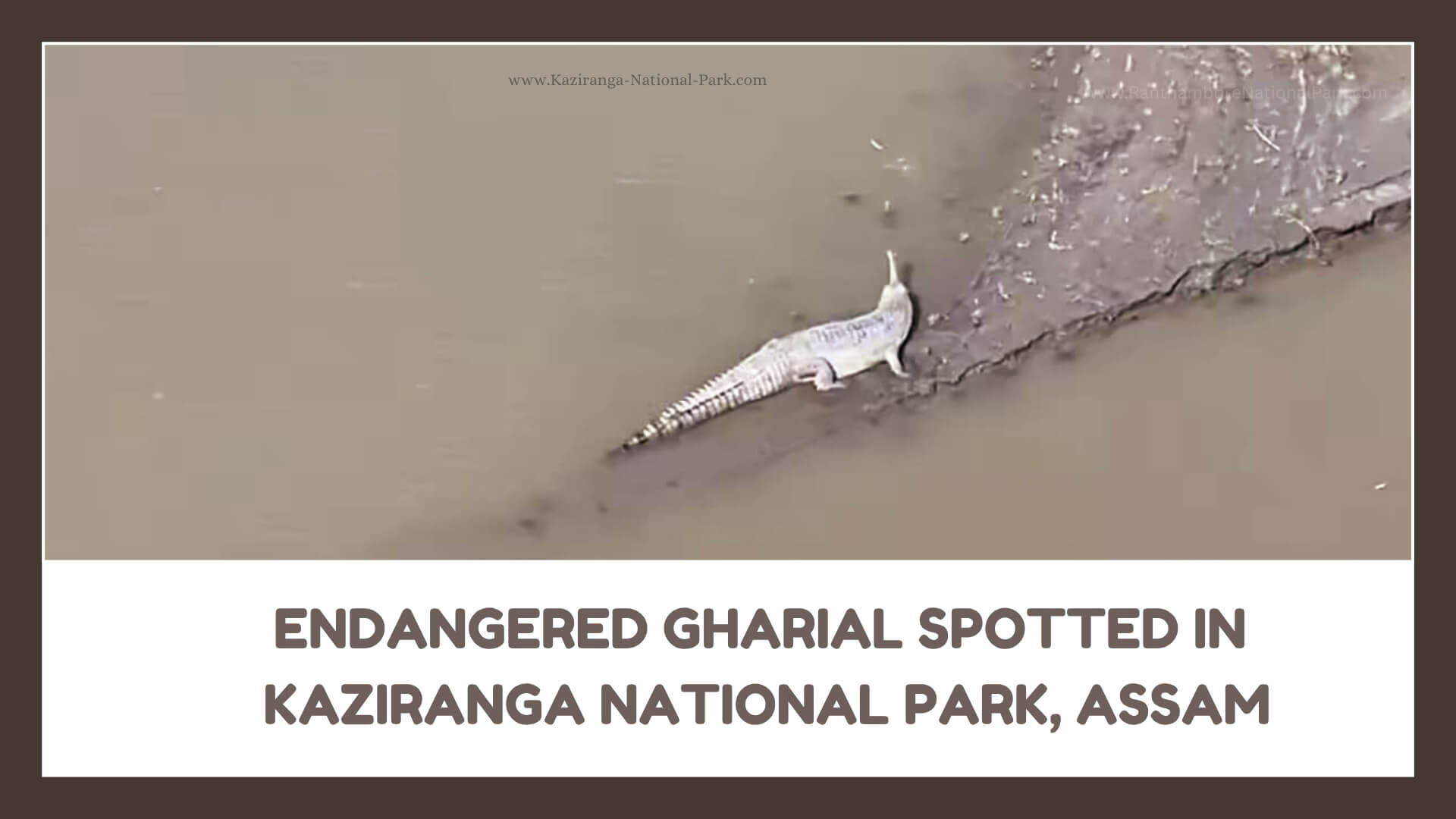
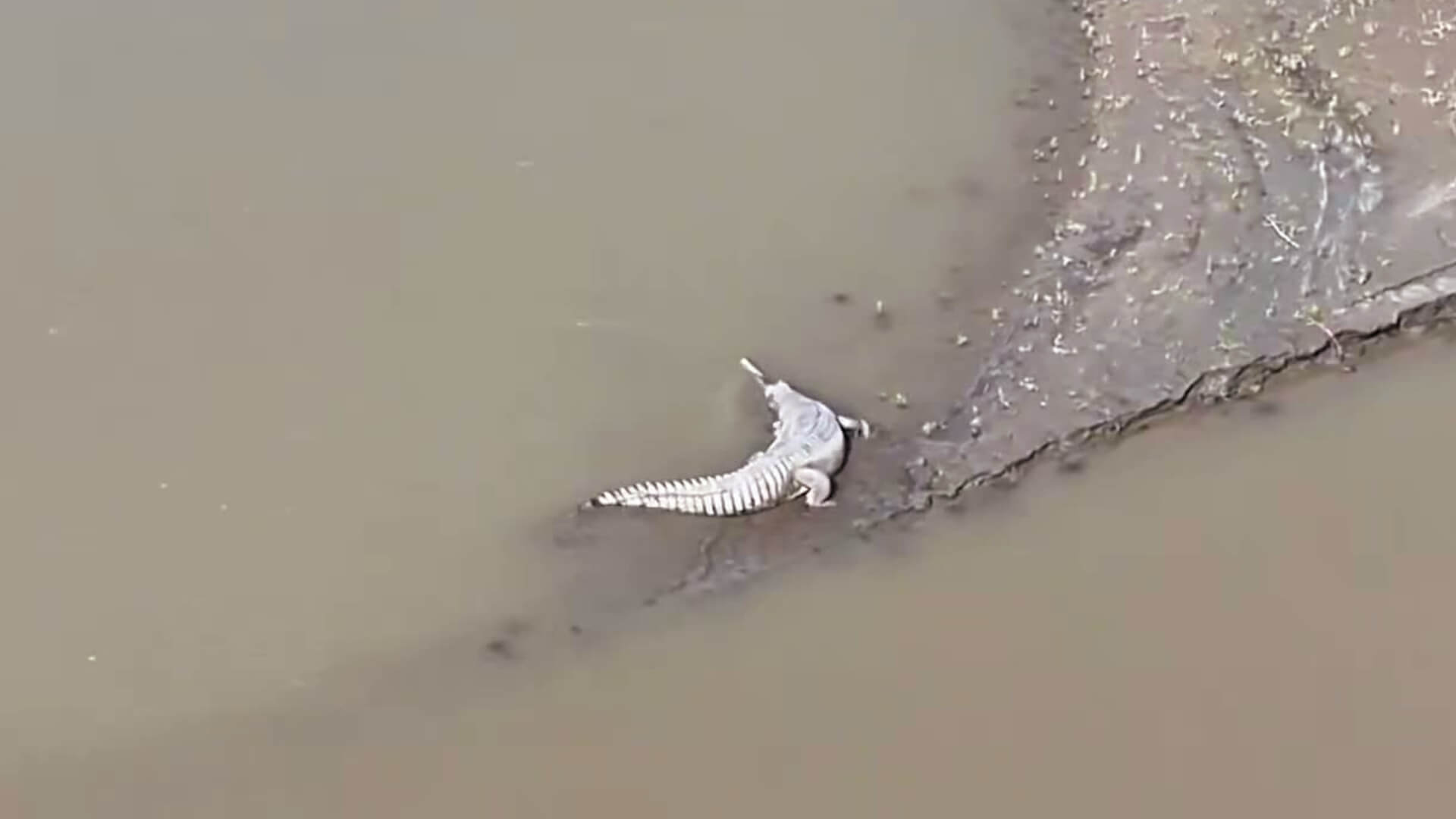
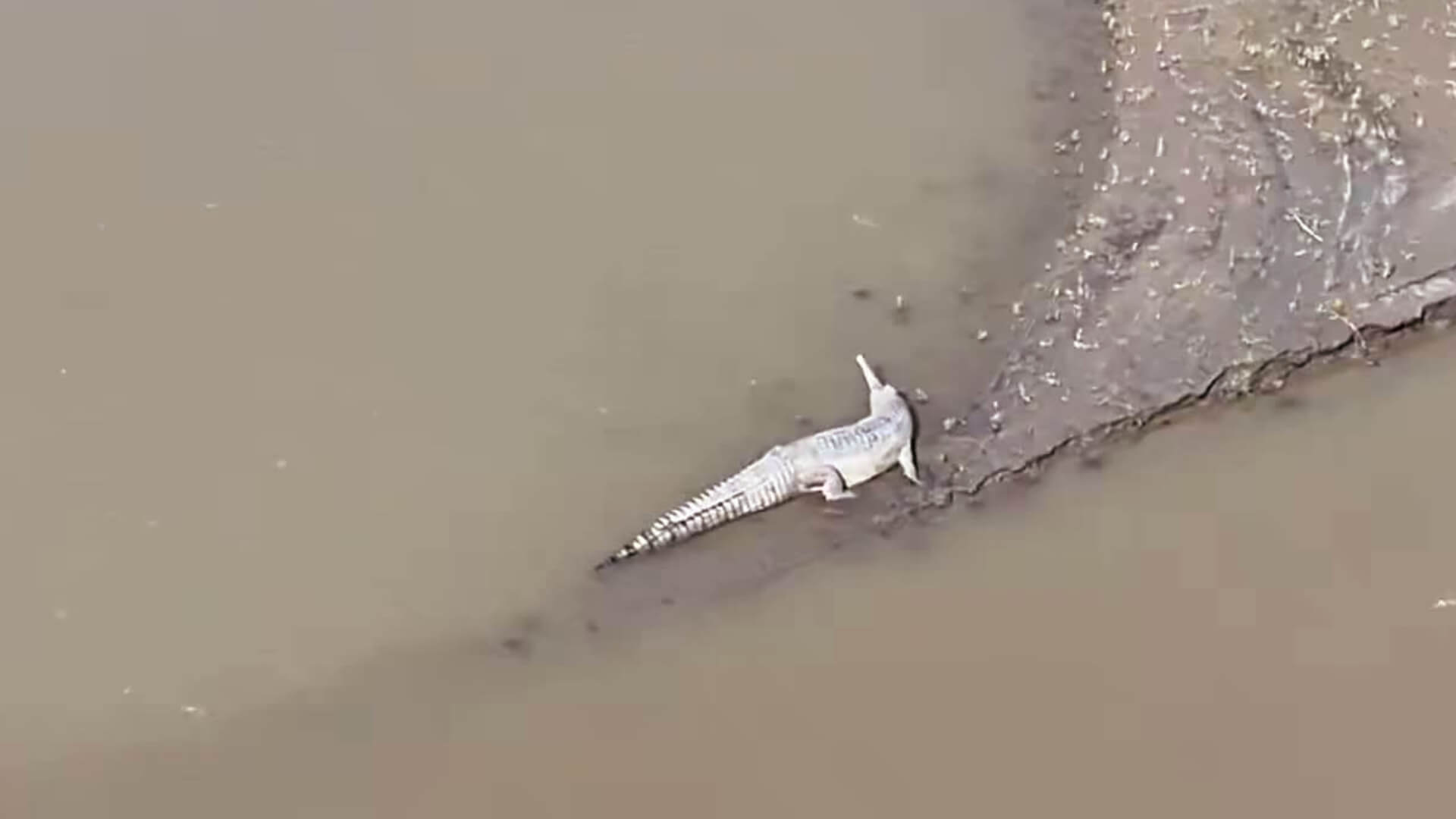
A critically endangered gharial has been spotted at Kaziranga National Park in Assam for the first time by tourists, marking a remarkable moment for Indian wildlife conservation. The rare sighting took place on May 8, 2026, during an early-morning safari in the Burhapahar Range near Dipholu Camp, where visitors captured footage of the elusive reptile swimming through the river waters. The video was later shared by the Assam Chief Minister’s Office, calling it a major boost for the state’s conservation efforts.
Watch Video: Endangered gharial spotted in Kaziranga National Park — a positive sign for conservation efforts in Assam.
Discover more about the incredible wildlife of Kaziranga National Park at https://t.co/rZUKWe2LFF#Kaziranga #KazirangaNationalPark #Assam #Gharial pic.twitter.com/O2CJCiXQRX
— Tour My India (@TourMyIndiaa) May 12, 2026
Once believed to have disappeared from Assam’s river systems, the return of the gharial in Kaziranga is being seen as a powerful sign of ecological recovery. Known for its uniquely long snout and fish-based diet, the species is listed as Critically Endangered on the IUCN Red List. Conservationists believe this rare appearance highlights the success of sustained efforts to protect Assam’s forests, wetlands, and river ecosystems. The sighting has also brought fresh attention to wildlife conservation in Assam, the ecological richness of Kaziranga National Park, and the urgent need to protect endangered river species in India.
Once believed to have disappeared from Assam’s river systems, the critically endangered gharial has now been spotted at Kaziranga, a truly remarkable moment for wildlife conservation.
For tourists and forest officials alike, this was more than just a rare sighting. It was a… pic.twitter.com/WzIOZJGRuX
— Chief Minister Assam (@CMOfficeAssam) May 9, 2026
Why the Gharial is One of the World’s Most Unique Crocodilians?
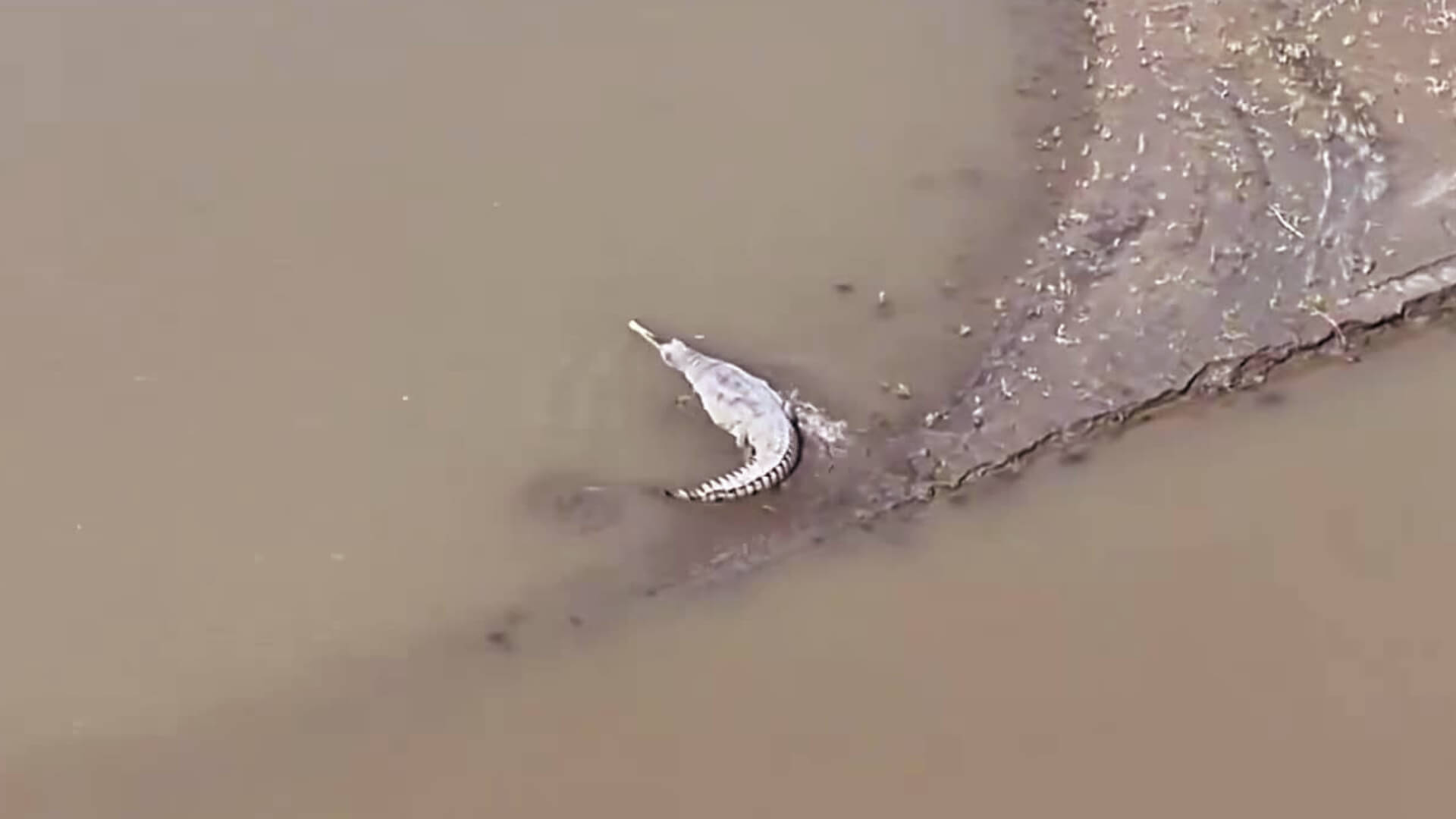
- The gharial, scientifically known as ‘Gavialis gangeticus’, is unlike any other crocodilian species found today. It is easily recognised by its extremely long and narrow snout, specially adapted for catching fish underwater.
- Unlike crocodiles that hunt a wide variety of prey, gharials are almost entirely fish-eating reptiles. Adult males also develop a bulb-like growth called a “ghara” at the tip of their snout, which helps produce buzzing sounds during mating displays.
- Despite its fascinating features, the species has faced a devastating population decline. Experts estimate that wild gharial numbers have dropped by nearly 96 per cent since the mid-20th century.
- Today, most surviving populations are limited to the Chambal River system in central India, with the species occupying only a tiny fraction of its historical range.
A Rare Wildlife Moment Captured in Kaziranga
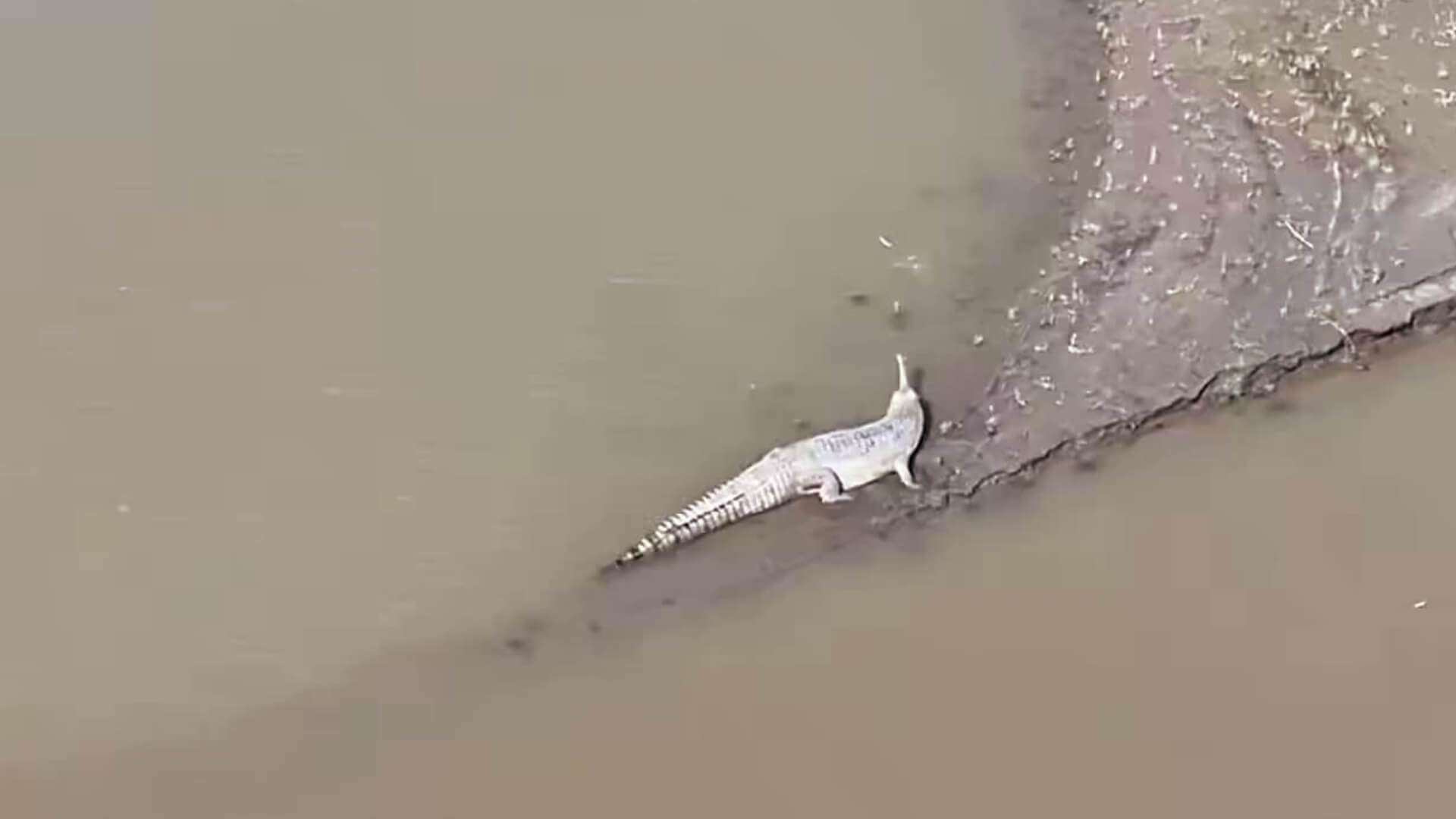
The sighting happened during a safari in the Burhapahar Range of Kaziranga when travel guide Shishukanta Nath and tourist Diganta Kumar Sarma noticed an unusual movement in the water. They soon realised it was a gharial gliding through the river stretch near Dipholu Camp.
The 18-second clip later shared online quickly gained attention for showcasing one of India’s rarest reptiles in the wild. Forest officials confirmed the sighting soon after, while Assam Chief Minister Himanta Biswa Sarma described it as a “remarkable moment for wildlife conservation.”
This was more than just a lucky encounter, especially for tourists and wildlife enthusiasts; it was visual proof that endangered species can slowly return when habitats are protected over time.
Why This Kaziranga Sighting Matters So Much?
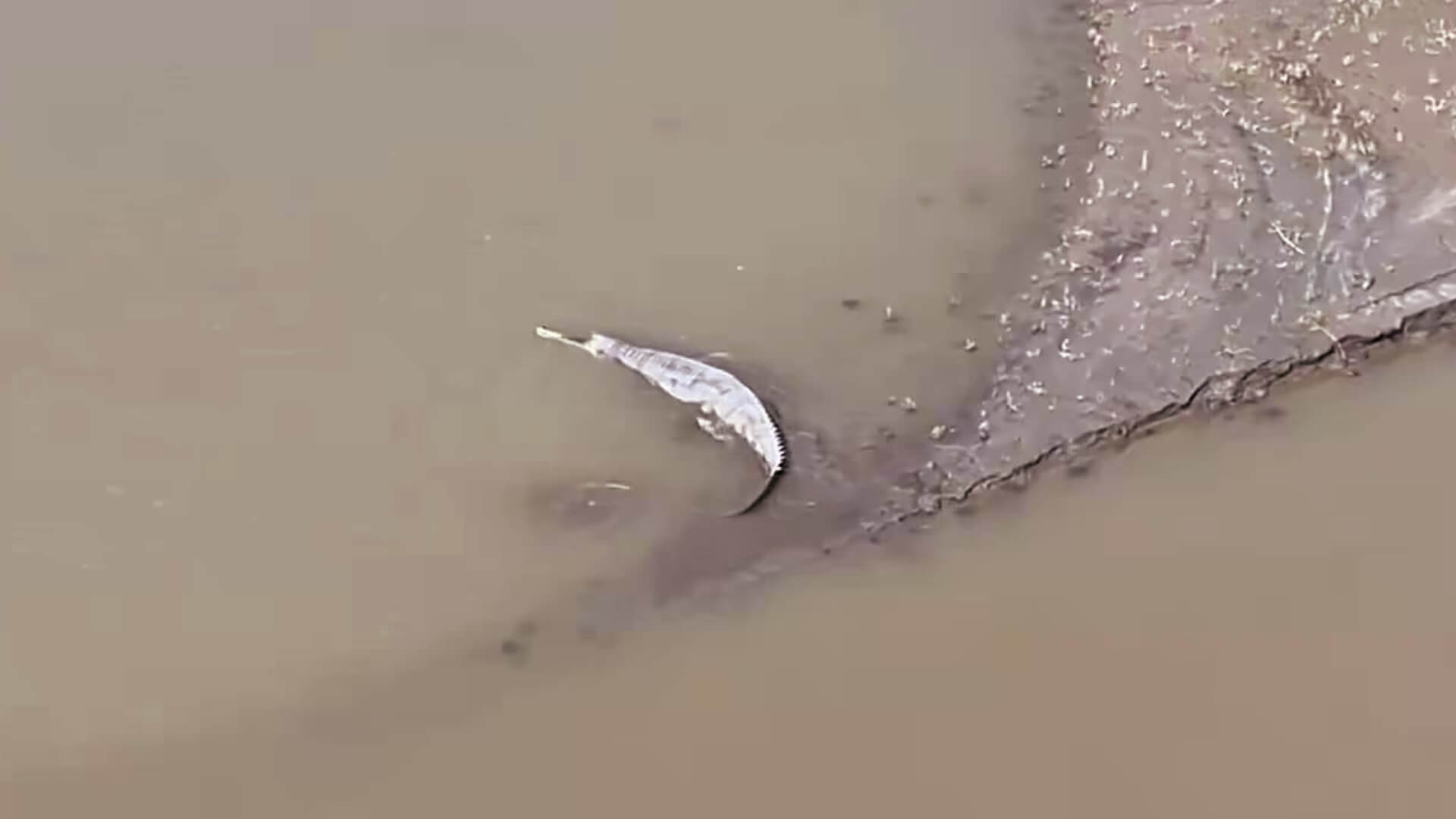
- This is the first-time tourists have visually documented a gharial inside Kaziranga National Park. Earlier sightings in Assam were mostly limited to survey teams and forest officials.
- The first confirmed gharial record linked to the region came in March 2022, when one was photographed on a sandbar in the Brahmaputra River near Silghat. Later, recurring sightings were reported in the Bishwanath stretch of the river.
- A 2024 survey by the Biswanath Wildlife Division and Turtle Survival Alliance even confirmed the presence of a female gharial across a 160-kilometre river stretch.
- The latest sighting strengthens hopes that Assam’s river ecosystems may once again support a stable gharial population in the future.
- Kaziranga itself offers a highly suitable habitat for the species. The national park supports more than 42 species of fish, giving the fish-eating reptile a strong natural food base.
What Threatens the Survival of Gharials?
- Even with encouraging sightings like this one, gharials remain dangerously close to extinction in the wild. Several human-driven activities continue to threaten their survival.
- Illegal sand mining destroys sandy riverbanks used for basking and nesting. Fishing nets often trap gharials accidentally, while river modification projects disrupt natural habitats.
- Pollution and erosion further damage the fragile river ecosystems they depend on.
A Positive Sign for India’s Conservation Efforts
The return of the gharial to Kaziranga is being viewed as a quiet but meaningful conservation success story. It reflects years of efforts focused on protecting wetlands, rivers, and forest ecosystems across Assam.
While a single sighting does not guarantee population recovery, it offers something equally important, hope. For conservationists, forest officials, and wildlife lovers, this moment serves as a reminder that patient and consistent environmental protection can still make a difference.
In a time when many species continue to disappear from the wild, the sight of a gharial swimming once again through Assam’s waters feels like a rare and encouraging victory for nature.
Other Interesting Blogs to Read
- Popular Tea Gardens to Visit in Assam
- Tea Estate Tourism at Kaziranga National Park
- Rare Golden Tiger Sighting at Kaziranga National Park
- Best Tourist Destinations in Assam
- The Rhino Population of Kaziranga National Park in Assam Rises
- Best Places to Visit in Kaziranga National Park
- Interesting Facts About Kaziranga National Park
- Importance of the Conservation of Greater One-Horned Rhinos
- Best Wildlife Resorts to Stay in Kaziranga
- Top 10 Reasons to Visit Kaziranga Tiger Reserve in Assam
- Discover Kaziranga Beyond Wildlife: Culture, Heritage & Nature
- Astro Tourism in Kaziranga
- Kaziranga Elevated Corridor
- Freshwater Turtle Population in Kaziranga National Park
- Elephant Safari in Kaziranga
- Kaziranga Emerges as a Global Avian Hub with 103 Migratory Species Recorded This Winter
- Kaziranga Emerges as a Fishing Cat Stronghold with 57 Individuals Recorded in Its First Scientific Survey
- Waterbird Population in Kaziranga
- Kaziranga’s Panbari Reserve Forest Now Open to Tourists: A Birdwatcher’s Delight



 Share
Share Home
Home Packages
 Book Now