
26 Feb, 2026
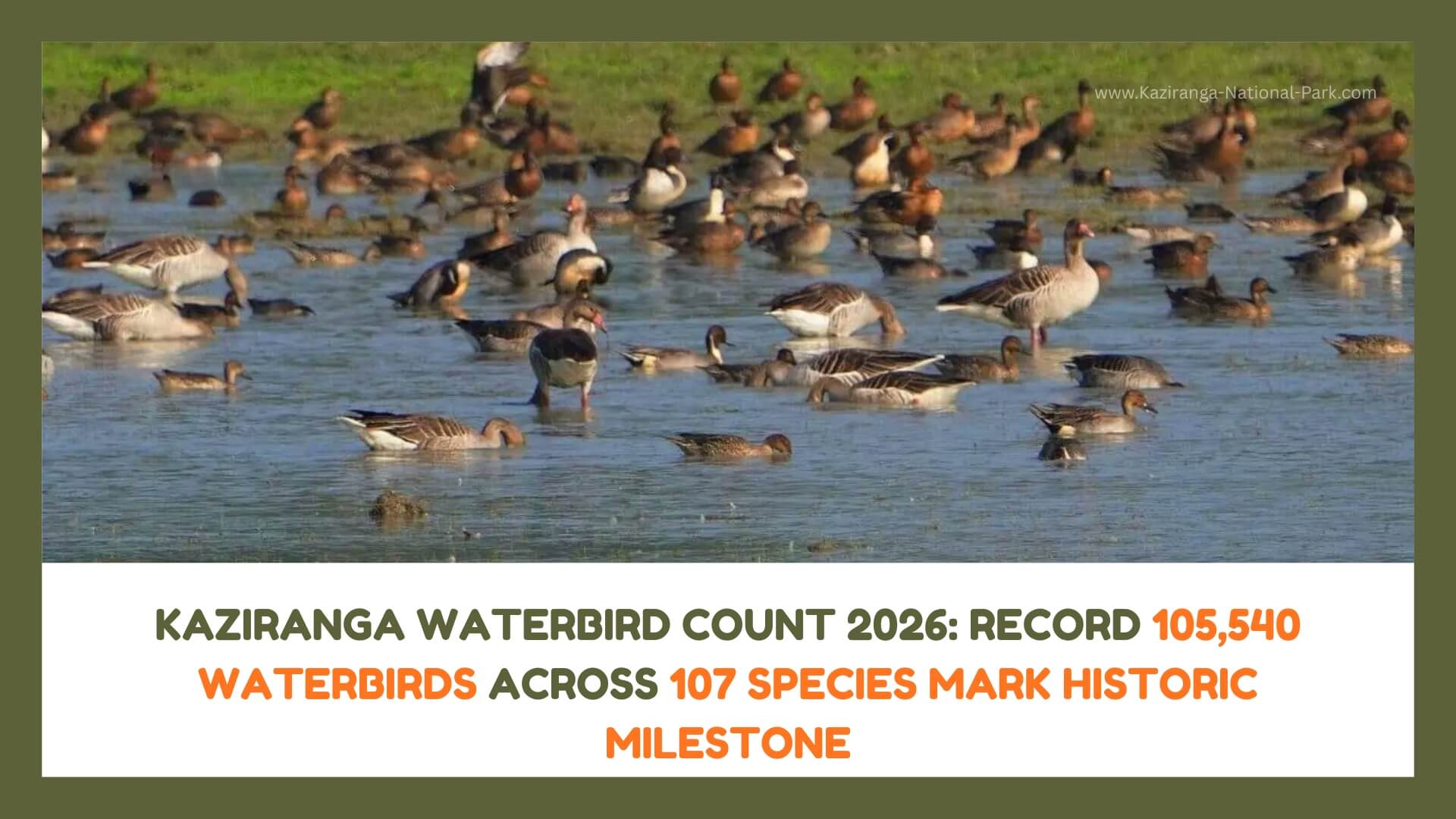
Kaziranga Waterbird Count 2026: Record 105,540 Waterbirds Across 107 Species Mark Historic Milestone
In a major news update from Assam, demonstrates that the seventh Kaziranga Waterbird Count 2026 has found an astonishing 105,540 waterbirds belonging to 107 species, cementing the importance of Kaziranga National Park and Tiger Reserve as an important ecological site on the world stage. The count was conducted from January 4-11, 2026 covering 166 wetland sites in 10 forest ranges located within the Eastern Assam, Biswanath and Nagaon Wildlife Divisions.
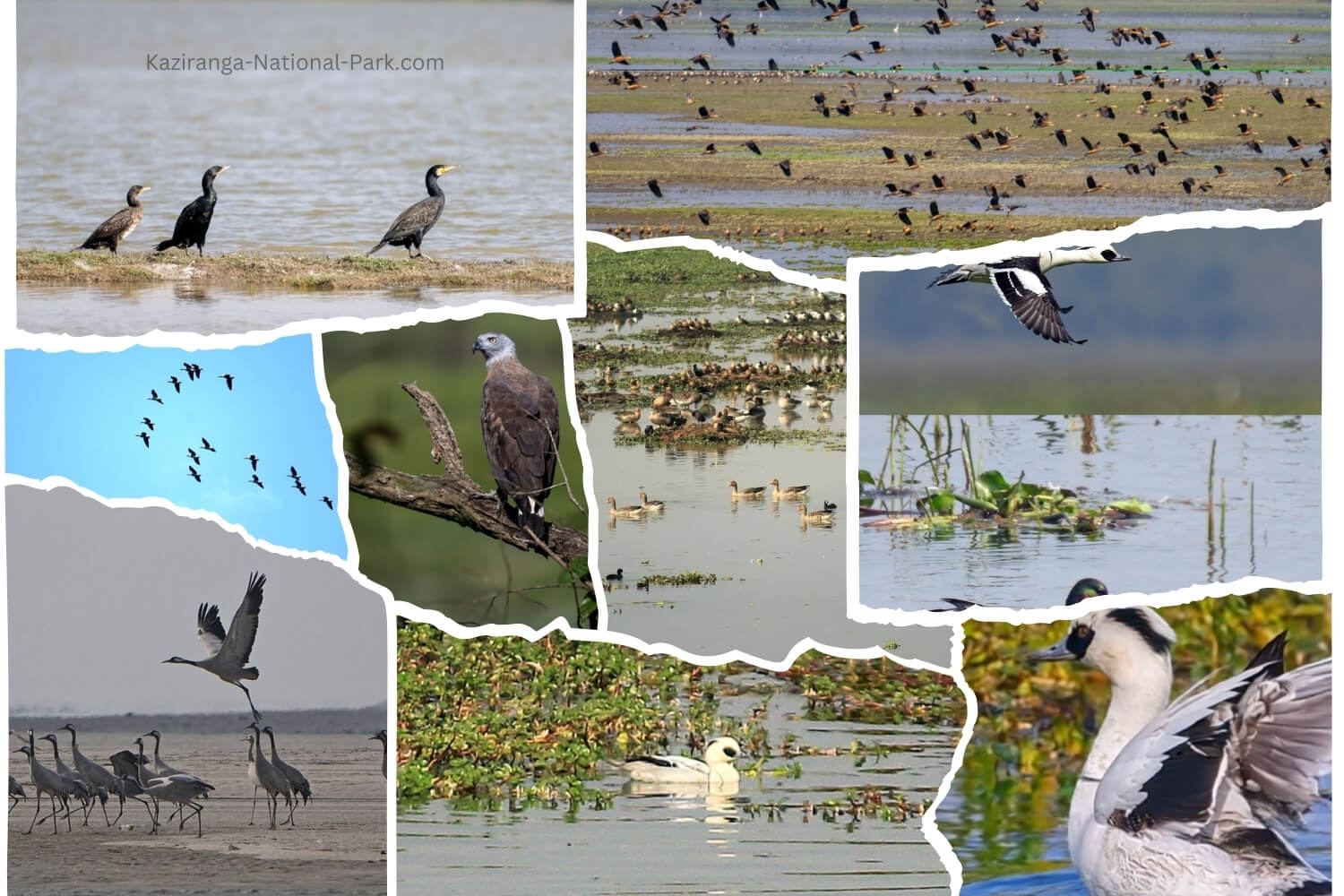
Released in the public domain on 22nd February 2026 at JDSG College, Bokakhat, this report also provided the first recorded occurrence of Smew (Mergellus albellus) in Kaziranga, a rare winter migratory duck. The census further identified species under the IUCN Red List, including 1 Critically Endangered, 1 Endangered, 2 Vulnerable, and 14 Near-Threatened species, therefore providing further evidence that Kaziranga is one of the pre-eminent sites for wetland conservation in India as well as being a vital location along the Central Asian Flyway.
Kaziranga Bird Census 2026: Key Highlights
- 105,540 individual waterbirds recorded
- 107 waterbird species documented
- Survey conducted across 166 wetlands
- Covered 10 forest ranges
- Participation of 120+ enumerators and 50 volunteers
- Identified species under IUCN Red List categories
- First-ever sighting of Smew in Kaziranga
The sheer scale and level of coordination involved in carrying out this Kaziranga bird census 2026 makes it one of India’s largest citizen science wildlife monitoring projects. With the support of Numaligarh Refinery Limited (NRL) through its CSR initiatives over the last three years, this project has transitioned into an important tool for long-term monitoring of wetland biodiversity within the state of Assam.
Most Abundant Species Recorded
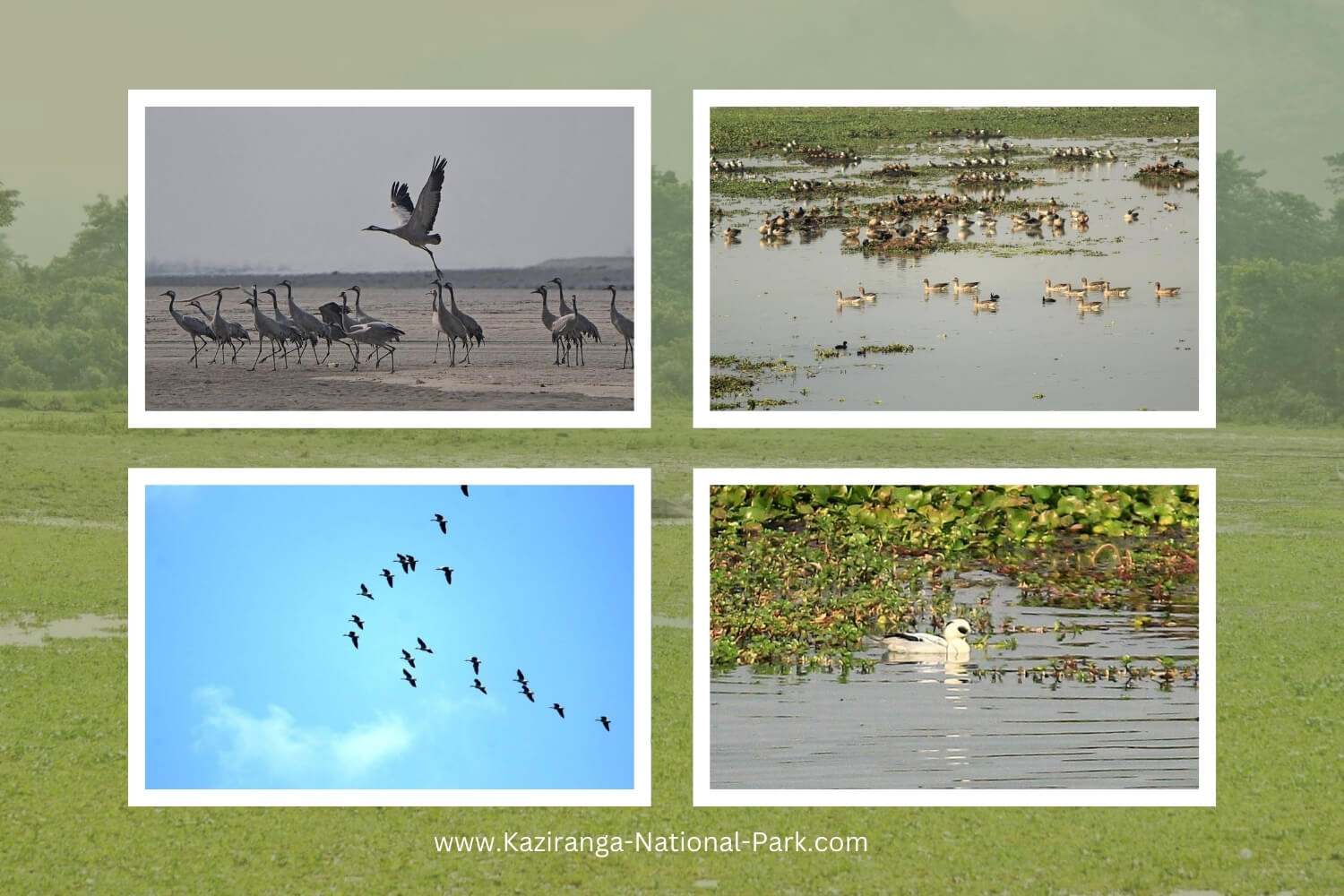
The census found high concentrations of both migratory and resident birds. The three most abundant birds were:
- Bar-headed Goose
- Northern Pintail
- Lesser Whistling Duck
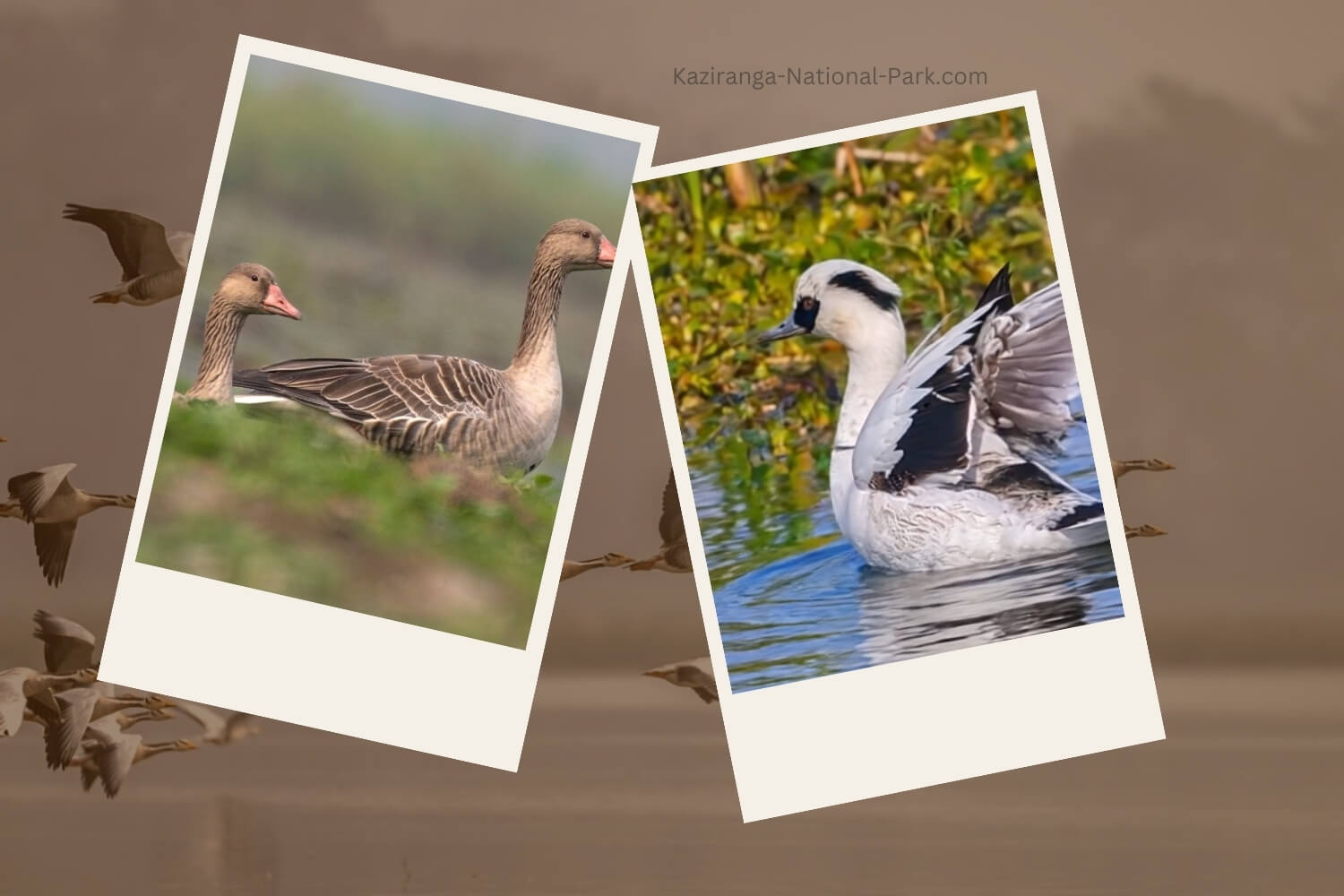
A key highlight of this year is the presence of the Smew—an uncommon winter migratory bird of the Eurasian taiga. Ornithologists view the Smew as an indicator of wetland ecosystem health and the effects of climate change shifting migratory patterns.
Why Kaziranga Remains a Global Birding Destination
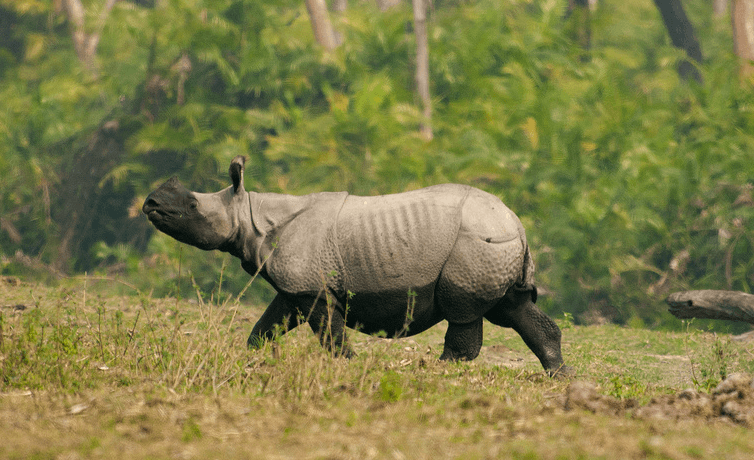
Kaziranga National Park has been designated a UNESCO World Heritage Site. As an important biodiversity hotspot in Northeast India, this area provides habitat for the famous one-horned rhinoceros and Kaziranga’s own big five mammals, Additionally, Kaziranga is known for its abundant diversity of birds. With over 500 different types of birds populating the park, making it a premier birdwatching destination in Assam.
The 2026 census confirmed Kaziranga’s important function in Central Asia for providing seasonal sanctuary habitat for migratory birds from Siberia, Mongolia and Central Asia. Experts stated that the urgent conservation priorities for the area include:
- Protecting wetlands against siltation and hydrological changes
- Preventing encroachment of humans into wetlands and fragmentation of wetlands for habitat
- Managing invasive species
- Addressing climate-driven migratory shifts
Kaziranga Strengthens Its Position as India’s Waterbird Conservation Stronghold

Record-setting results from the 2026 Kaziranga Waterbird Count demonstrate the incredible diversity of birds in Assam and reinforce the continuing need for conservation of wildlife resources. As migratory routes evolve and environmental pressures increase, Kaziranga’s wetlands continue to stand as vital lifelines for thousands of birds. An incredible 105,540-plus waterbirds were tallied in 2026, reinforcing the designation of this area as one of the foundational areas for waterbird conservation across India as well as an exemplar of the sustainable wildlife management.
Other Interesting Blogs to Read
- Popular Tea Gardens to Visit in Assam
- Tea Estate Tourism at Kaziranga National Park
- Rare Golden Tiger Sighting at Kaziranga National Park
- Best Tourist Destinations in Assam
- The Rhino Population of Kaziranga National Park in Assam Rises
- Best Places to Visit in Kaziranga National Park
- Interesting Facts About Kaziranga National Park
- Importance of the Conservation of Greater One-Horned Rhinos
- Best Wildlife Resorts to Stay in Kaziranga
- Top 10 Reasons to Visit Kaziranga Tiger Reserve in Assam
- Discover Kaziranga Beyond Wildlife: Culture, Heritage & Nature
- Astro Tourism in Kaziranga
- Kaziranga Elevated Corridor
- Freshwater Turtle Population in Kaziranga National Park
- Elephant Safari in Kaziranga
- Kaziranga Emerges as a Global Avian Hub with 103 Migratory Species Recorded This Winter
- Kaziranga Emerges as a Fishing Cat Stronghold with 57 Individuals Recorded in Its First Scientific Survey







 Share
Share Home
Home Packages
 Book Now