
24 Feb, 2026
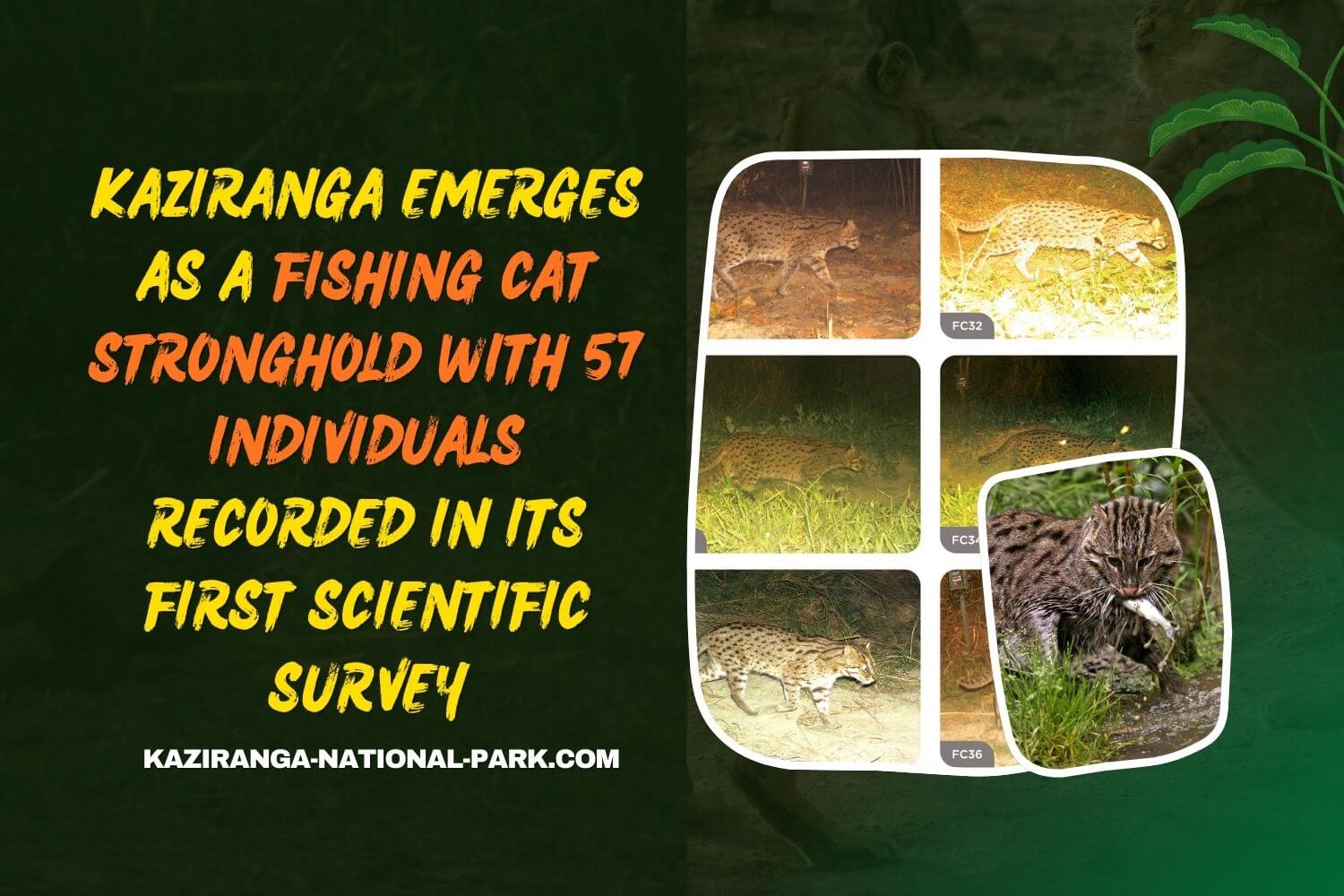
Kaziranga Emerges as a Fishing Cat Stronghold with 57 Individuals Recorded in Its First Scientific Survey
Kaziranga National Park & Tiger Reserve represents a major advancement in the conservation of wetlands across India as this site is establishing itself as a global stronghold for the vulnerable Fishing Cat (Prionailurus viverrinus). The first scientific assessment of Fishing Cat populations found there to be a total of 57 unique individuals in Kaziranga occupying approximately 450 square kilometres. Based upon this new study (which was released on February 22nd, International Fishing Cats Day), it has now been confirmed that this species is not rare within the area but rather is widely distributed and actively reproducing across the reserve’s floodplains.
Kaziranga's Tiger Cell, in coordination with the Fishing Cat Project, performed an assessment of the camera trap photography for cats originally recorded during the All India Tiger Estimation process. Wildlife officials estimated that an approximate population of 57 could be an under-count as the camera grid used for photographing cats was originally designed for larger fields. Protected under Schedule I of India’s Wildlife Protection Act, 1972, the fishing cat is classified as vulnerable worldwide, facing threats of habitat loss and hunting throughout South and Southeast Asia.
Why This Study Redefines Kaziranga’s Conservation Profile
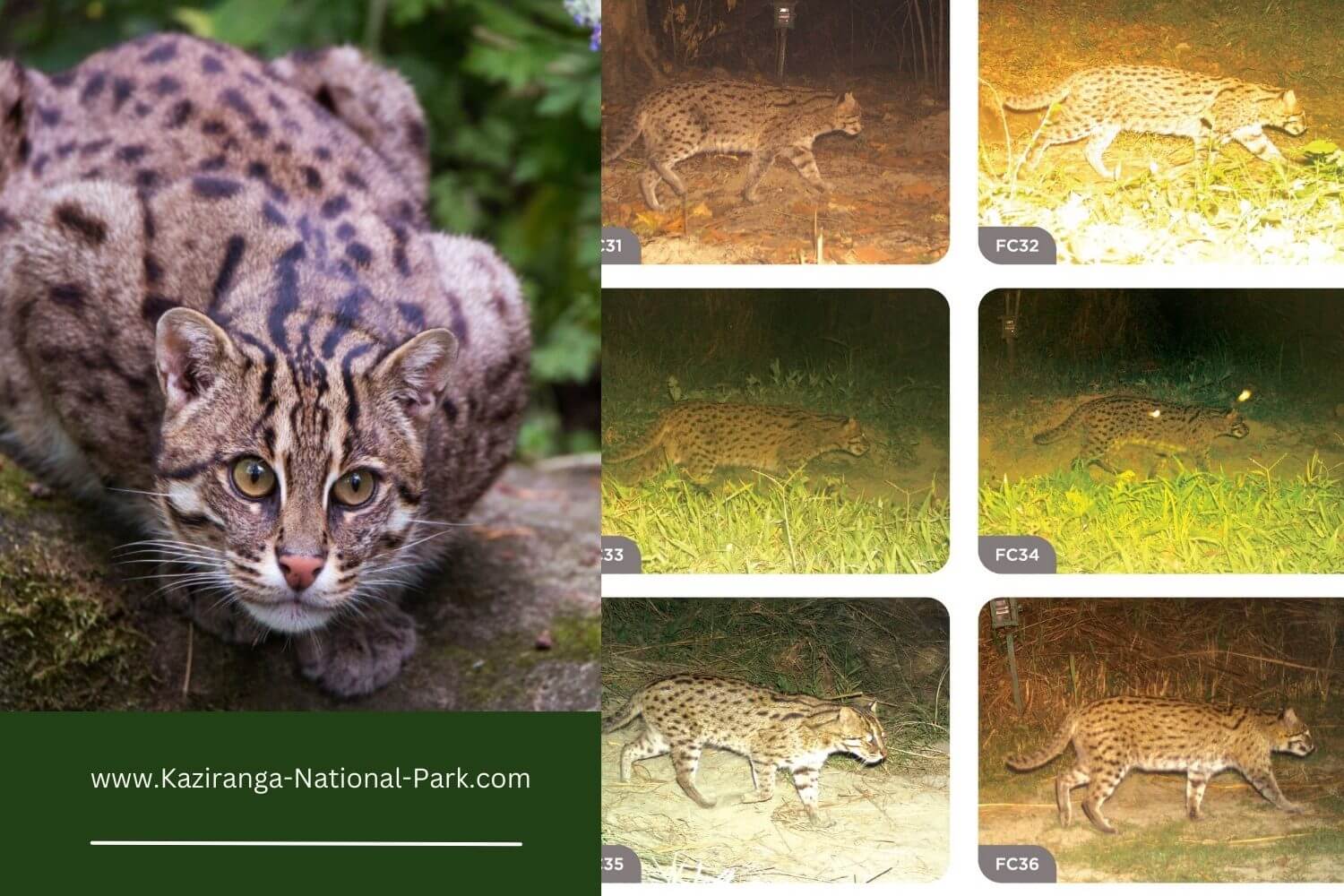
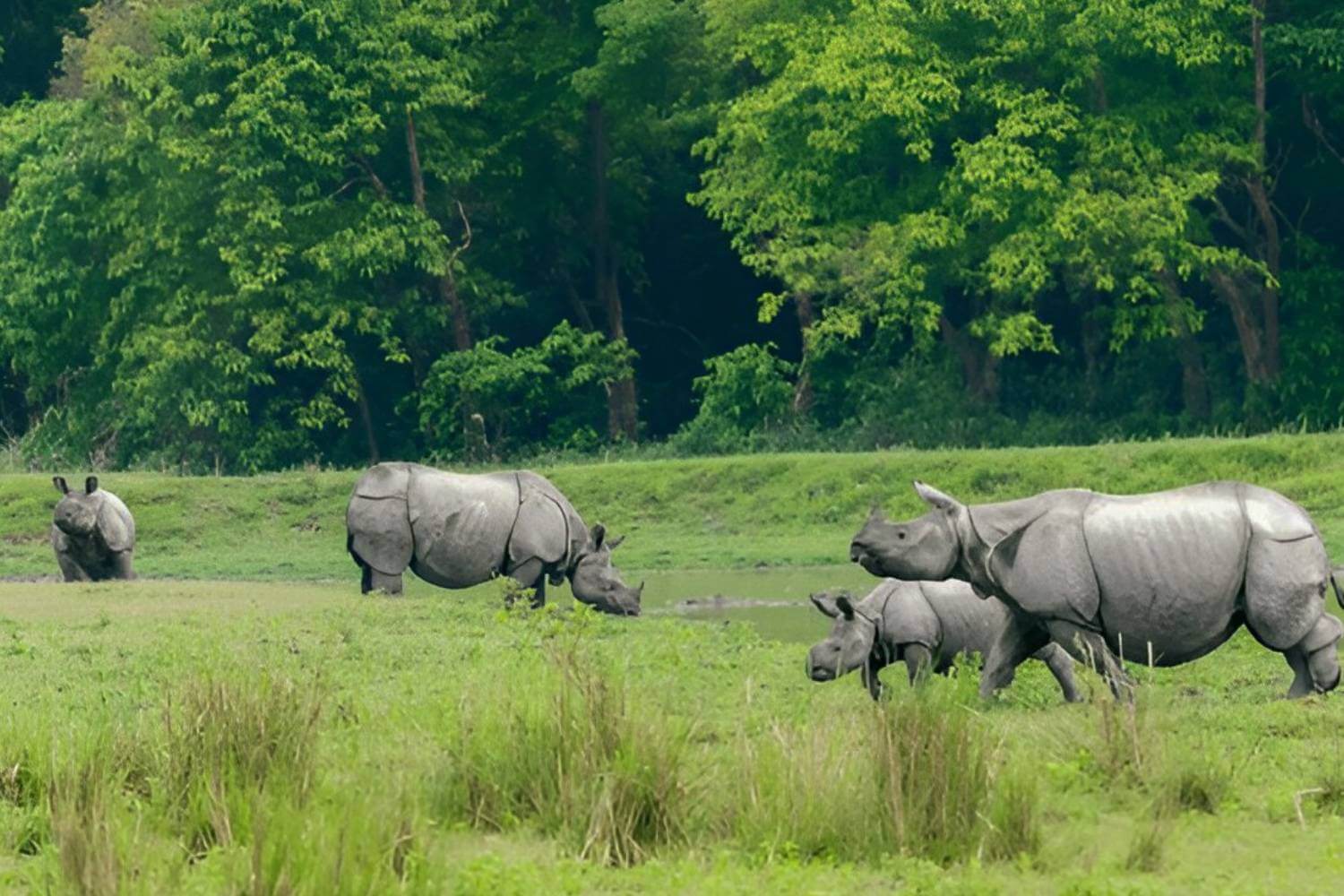
Historically known as the home of the Great Indian One-Horned Rhinoceros and Tiger, Kaziranga will now be recognised as a vital refuge for wetland carnivores. Research supports the argument that Kaziranga may serve as an "Ark" of ecological importance for the Fishing Cat in the floodplains of the Brahmaputra River because of its wet alluvial grasslands, shallow beels (wetlands), marshes, wet meadows, and wooded refugia that support flood survival.
Bycatch data from camera traps designed to monitor tigers were used for this study, which could result in a real population count greater than what was indicated by the data. While this limitation creates uncertainty, it establishes an important baseline for monitoring potential impacts of alterations to freshwater habitat caused by changing flood behaviours, climate change, and river modifications over time. The scientists who conducted the research stated that the fishing cat provides an indicator of ecological health as an ecological "sentinel" species, its presence in large numbers are indicative of healthy wetlands and appropriate functioning of floodplain dynamics.

According to comparative data, Kaziranga ranks as one of India’s leading floodplain habitats for aquatic species (particularly fish), with numbers that exceed those for other well-known wetlands such as Kishanpur and Dudhwa in Uttar Pradesh. However, despite the high concentration of fish at Kaziranga, estuarine ecosystems (e.g., Sundarbans) continue to maintain greater densities.
The promotion of the fishing cat, called "Meseka" in Assamese folklore, helps to illustrate Kaziranga's broader conservation mission beyond just protecting tigers and rhinos. In this way, Kaziranga is also increasing its identity as one of India's most ecologically diverse protected landscapes.
Other Interesting Blogs to Read
- Popular Tea Gardens to Visit in Assam
- Tea Estate Tourism at Kaziranga National Park
- Rare Golden Tiger Sighting at Kaziranga National Park
- Best Tourist Destinations in Assam
- The Rhino Population of Kaziranga National Park in Assam Rises
- Best Places to Visit in Kaziranga National Park
- Interesting Facts About Kaziranga National Park
- Importance of the Conservation of Greater One-Horned Rhinos
- Best Wildlife Resorts to Stay in Kaziranga
- Top 10 Reasons to Visit Kaziranga Tiger Reserve in Assam
- Discover Kaziranga Beyond Wildlife: Culture, Heritage & Nature
- Astro Tourism in Kaziranga
- Kaziranga Elevated Corridor
- Freshwater Turtle Population in Kaziranga National Park
- Elephant Safari in Kaziranga




 Share
Share Home
Home Packages
 Book Now