
24 Feb, 2026
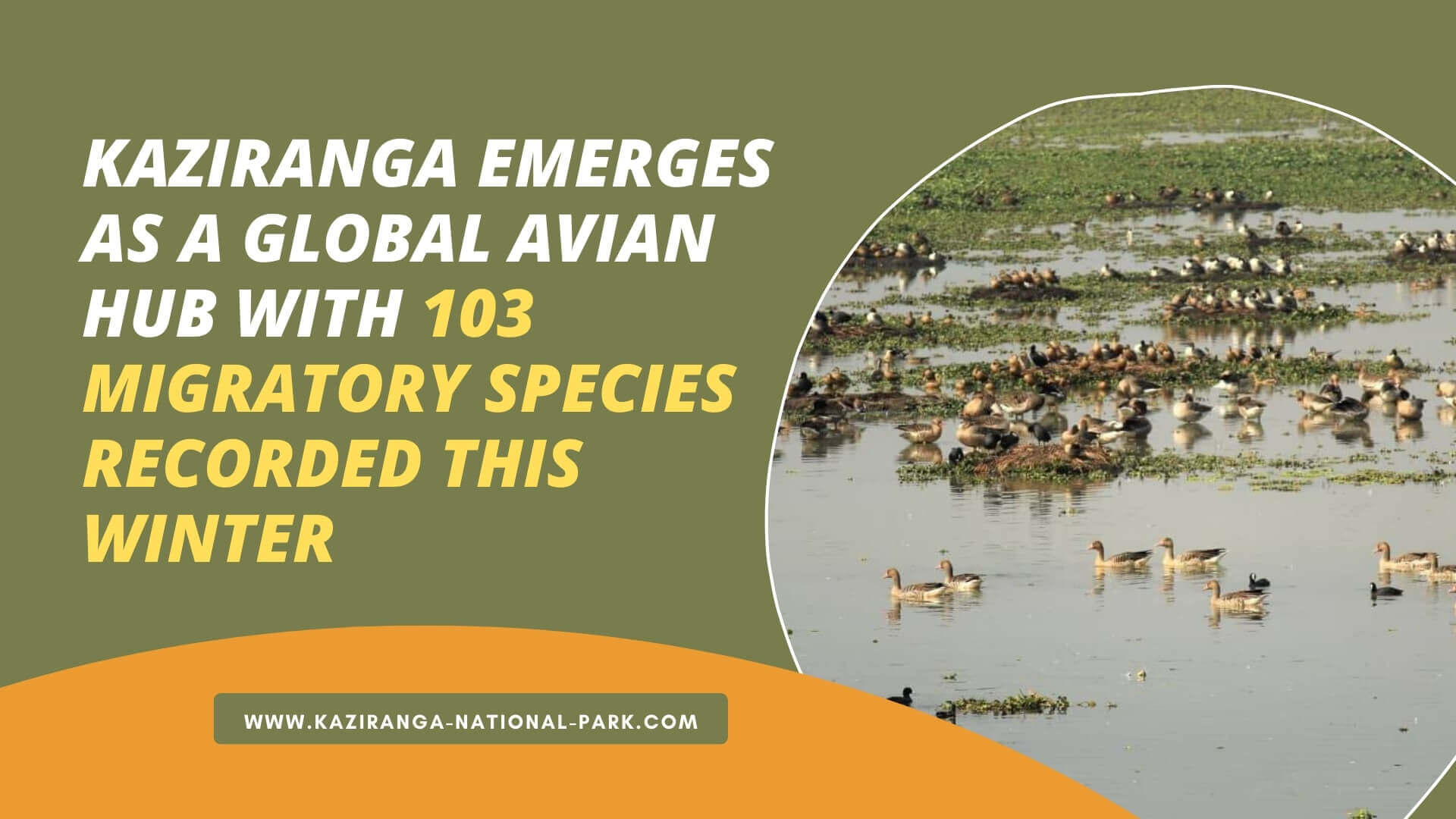
Kaziranga Emerges as a Global Avian Hub with 103 Migratory Species Recorded This Winter
In yet another testament to its ecological richness, Kaziranga National Park and Tiger Reserve has recorded 103 different foreign migratory bird species recently, further showing that it is becoming a true global birding destination and adds to its fascinating ecological diversity. The months of October through February have seen the park's floodplains and wetland areas become a flourishing breeding ground for birds migrating from subzero winter conditions (Central and East Asia), with arrivals from regions including Mongolia, Siberia, China, and Russia.
Sonali Ghosh, Director of Kaziranga National Park, stated that with spring about to arrive, many of the migratory birds have commenced their journey back home; hence, we have now finished yet another exciting season of winter migration for birds. The annual bird census also provides valuable data to monitor the overall health of biodiversity and track major changes in the migratory patterns of birds around the world as a result of climate change.
Why Kaziranga Is Becoming a Critical Refuge for Migratory Birds?
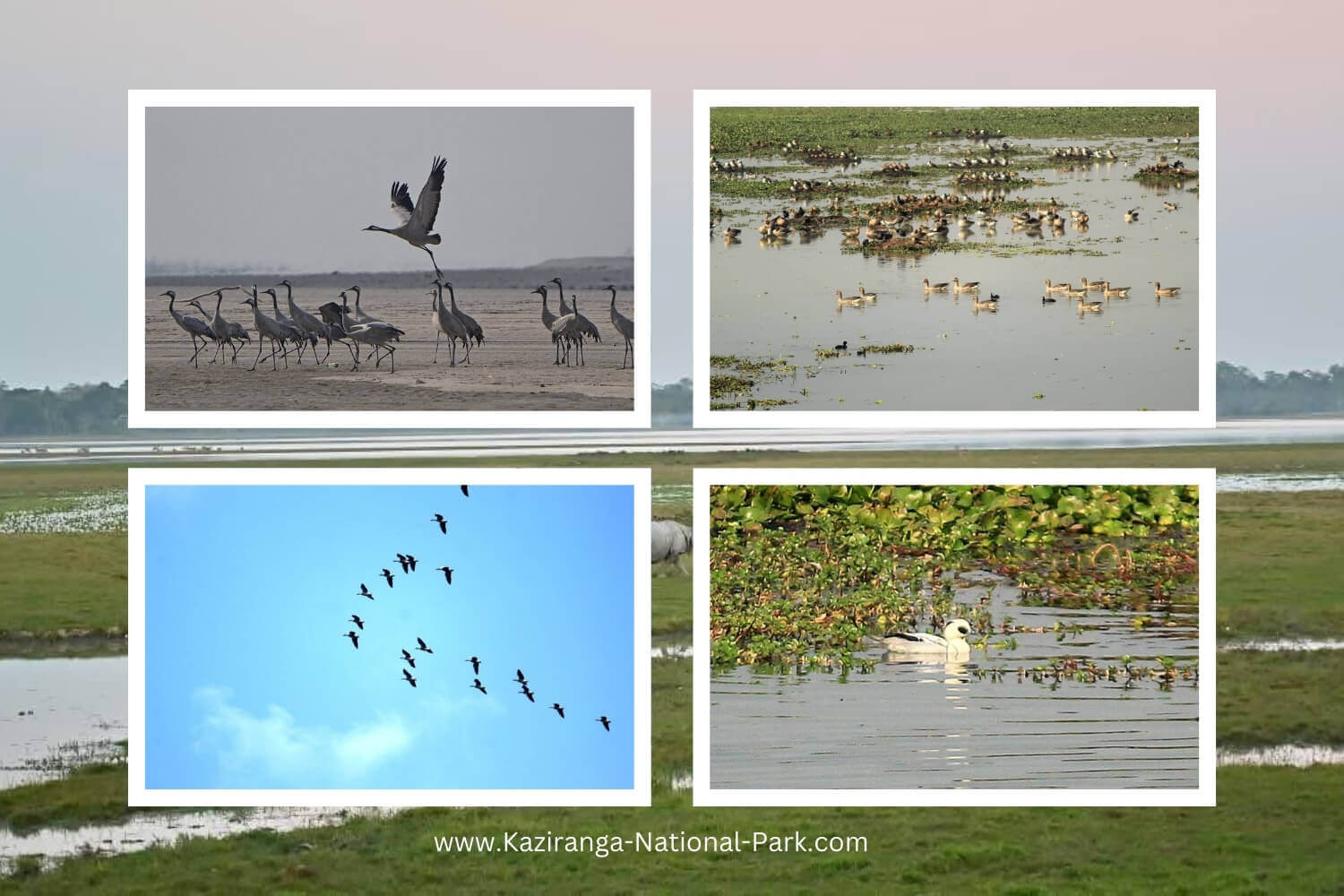
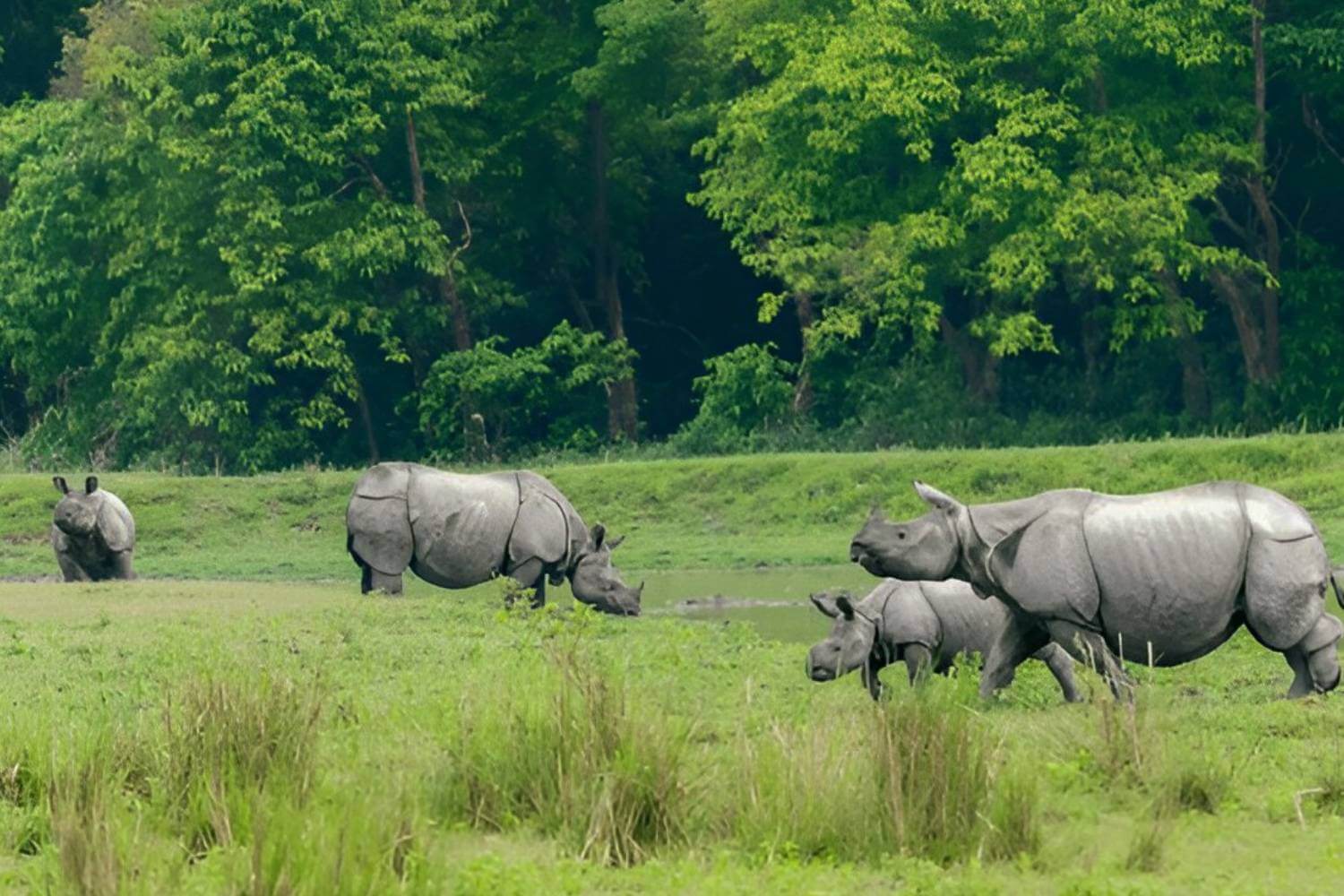
Kaziranga is celebrated around the world for having a large number of Great Indian One-Horned Rhinos; however, it's also being recognised more and more for its importance as a dependable winter refuge for migratory birds, due to its abundance of resources. The combination of wetlands, beels (oxbow lakes), rivers and riverbanks, and alluvial grasslands create excellent stopping points where long distance avian travellers can rest and find food.
According to some wildlife experts, the regular influx of more than a hundred migratory species indicates ecological stability within the Brahmaputra floodplains. Given current threats from climate change, diminishing wetland areas, and habitat loss to fragmentation, Kaziranga's continuity as a viable migration corridor for migratory birds demonstrates that its ecosystem is functioning optimally.
In addition to its ecological significance, the seasonal influx of migratory birds also enhances its attraction for birdwatchers and conservation scientists. Kaziranga has now entered its most tranquil time of year due to an increase in temperature and progressive reduction of water surface area. This cycle will continue until the next winter when the park’s sky once again becomes populated with birds from all over the world.
Other Interesting Blogs to Read
- Popular Tea Gardens to Visit in Assam
- Tea Estate Tourism at Kaziranga National Park
- Rare Golden Tiger Sighting at Kaziranga National Park
- Best Tourist Destinations in Assam
- The Rhino Population of Kaziranga National Park in Assam Rises
- Best Places to Visit in Kaziranga National Park
- Interesting Facts About Kaziranga National Park
- Importance of the Conservation of Greater One-Horned Rhinos
- Best Wildlife Resorts to Stay in Kaziranga
- Top 10 Reasons to Visit Kaziranga Tiger Reserve in Assam
- Discover Kaziranga Beyond Wildlife: Culture, Heritage & Nature
- Astro Tourism in Kaziranga
- Kaziranga Elevated Corridor
- Freshwater Turtle Population in Kaziranga National Park
- Elephant Safari in Kaziranga






 Share
Share Home
Home Packages
 Book Now