
30 Jan, 2026
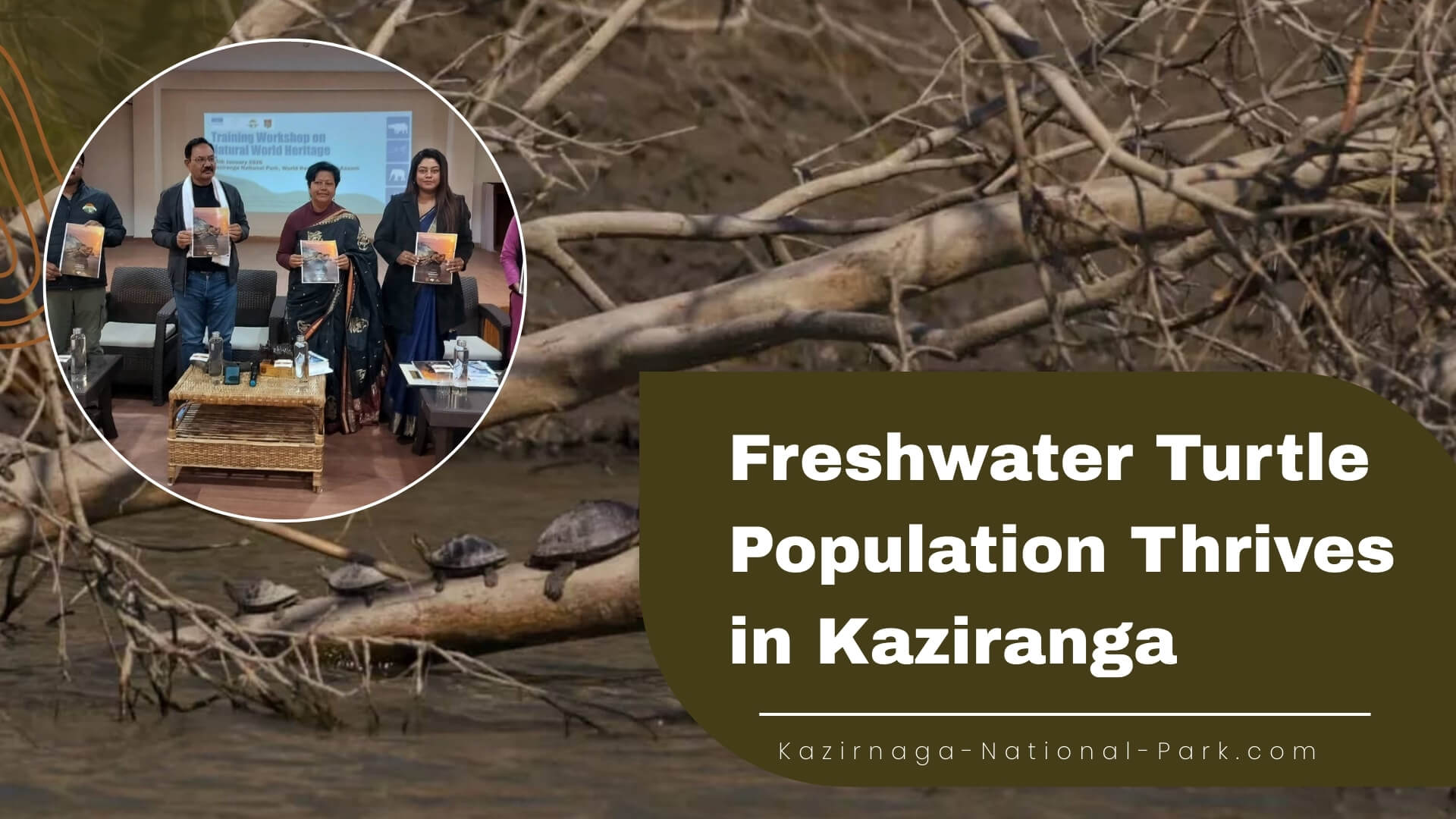
Freshwater Turtle Population Thrives in Kaziranga: Survey Records 945 Across the Brahmaputra Stretch
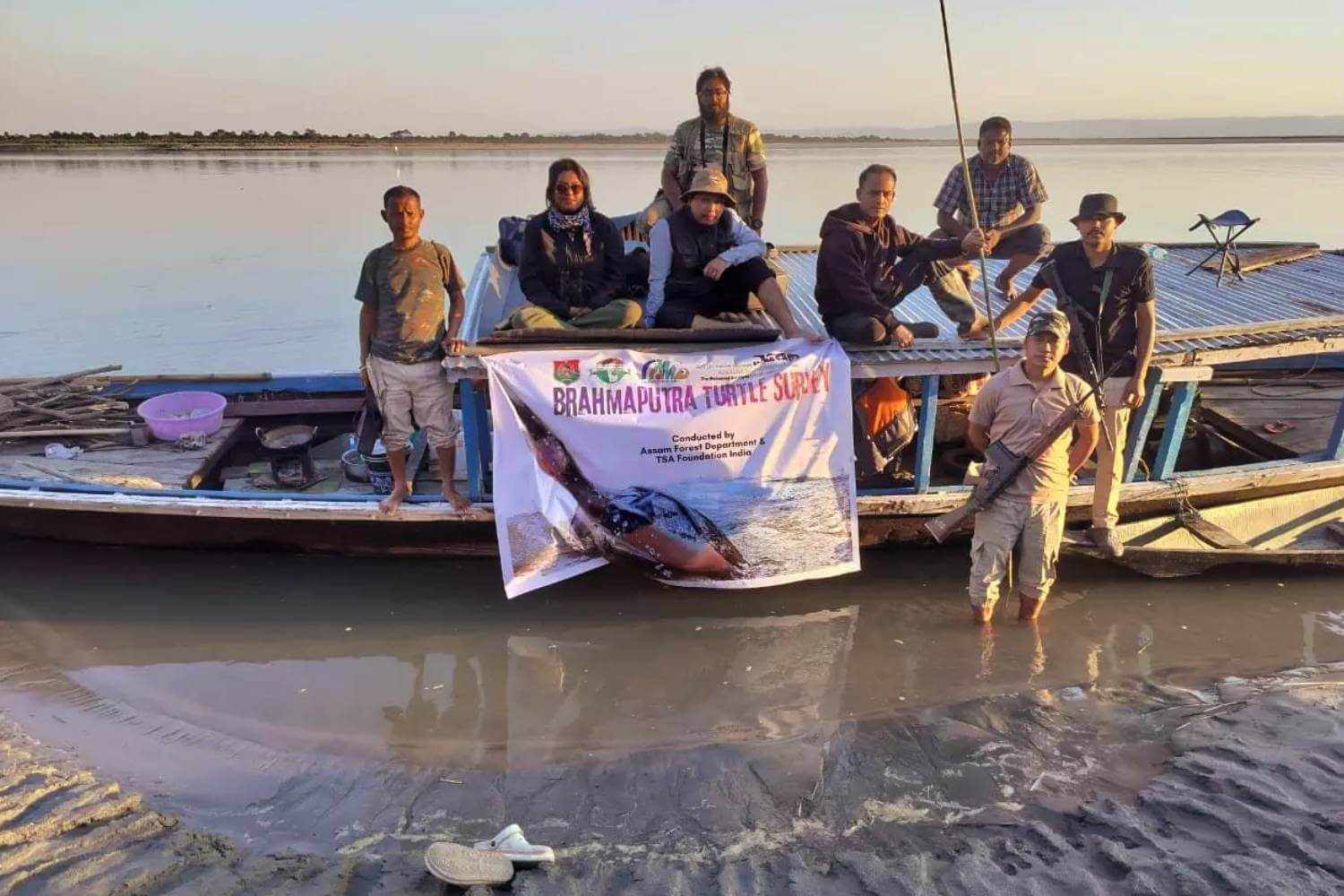
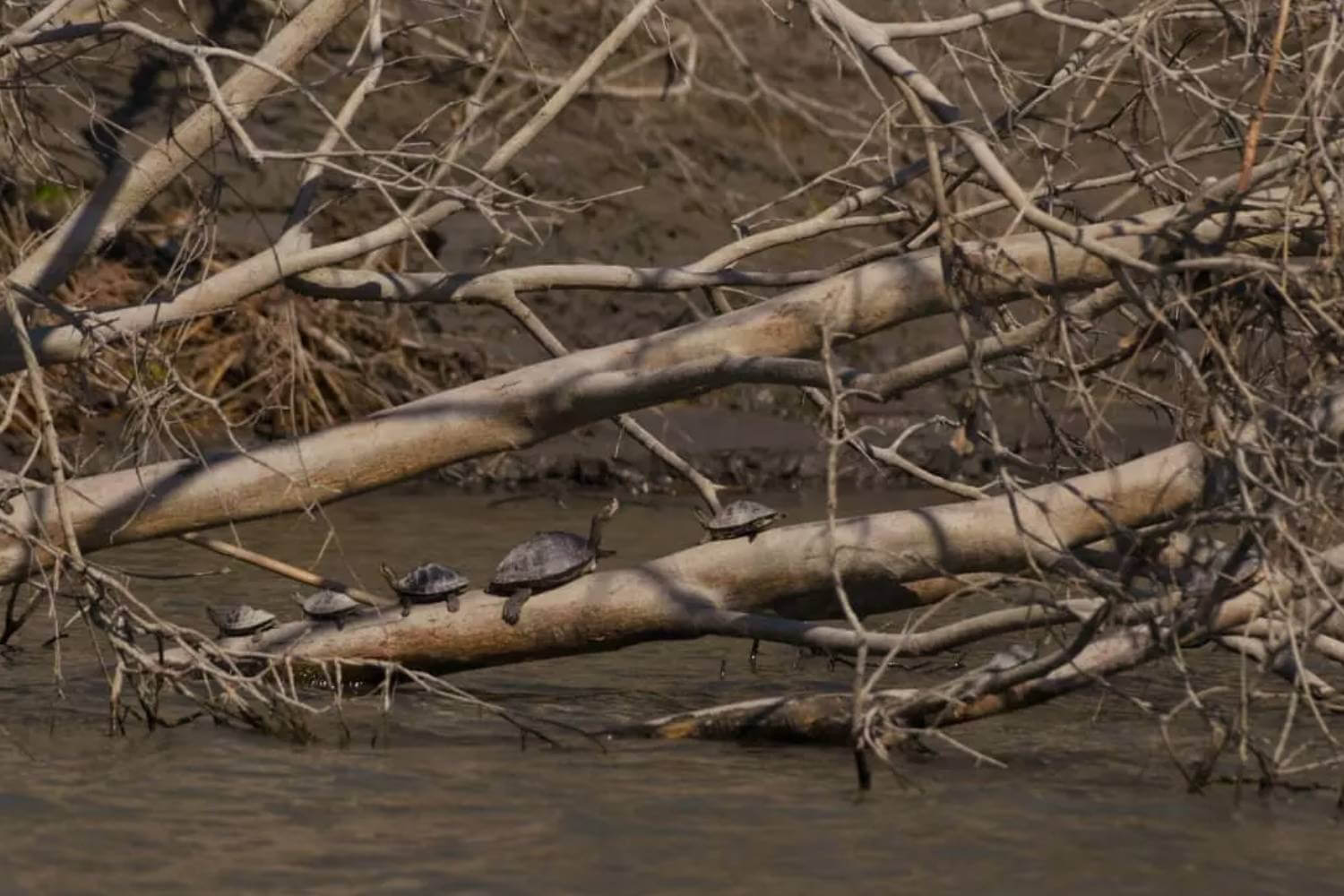
As part of a comprehensive wildlife assessment in Assam, researchers have begun to notice results related to the abundance of freshwater turtles (trichechus manatus) within rivers. A survey conducted in Kaziranga National Park, between January 14th-18th, 2023 found evidence of 945 freshwater turtles along a roughly 174-kilometre section of the Brahmaputra River. The assessment was accomplished through a partnership between KNP and the India Turtle Conservation Programme (ITCP). Seven species of turtles were identified as being present in this area, including the critically endangered Black Softshell Turtle, showing that the area is a globally important freshwater biological diversity hotspot. In addition, the survey provided evidence to reinforce that the park has been designated as a Turtle Priority Area based on the accomplishments of continued turtle conservation actions and demonstrates the ecological diversity of the Brahmaputra River System.
Key Findings from the Kaziranga Turtle Survey
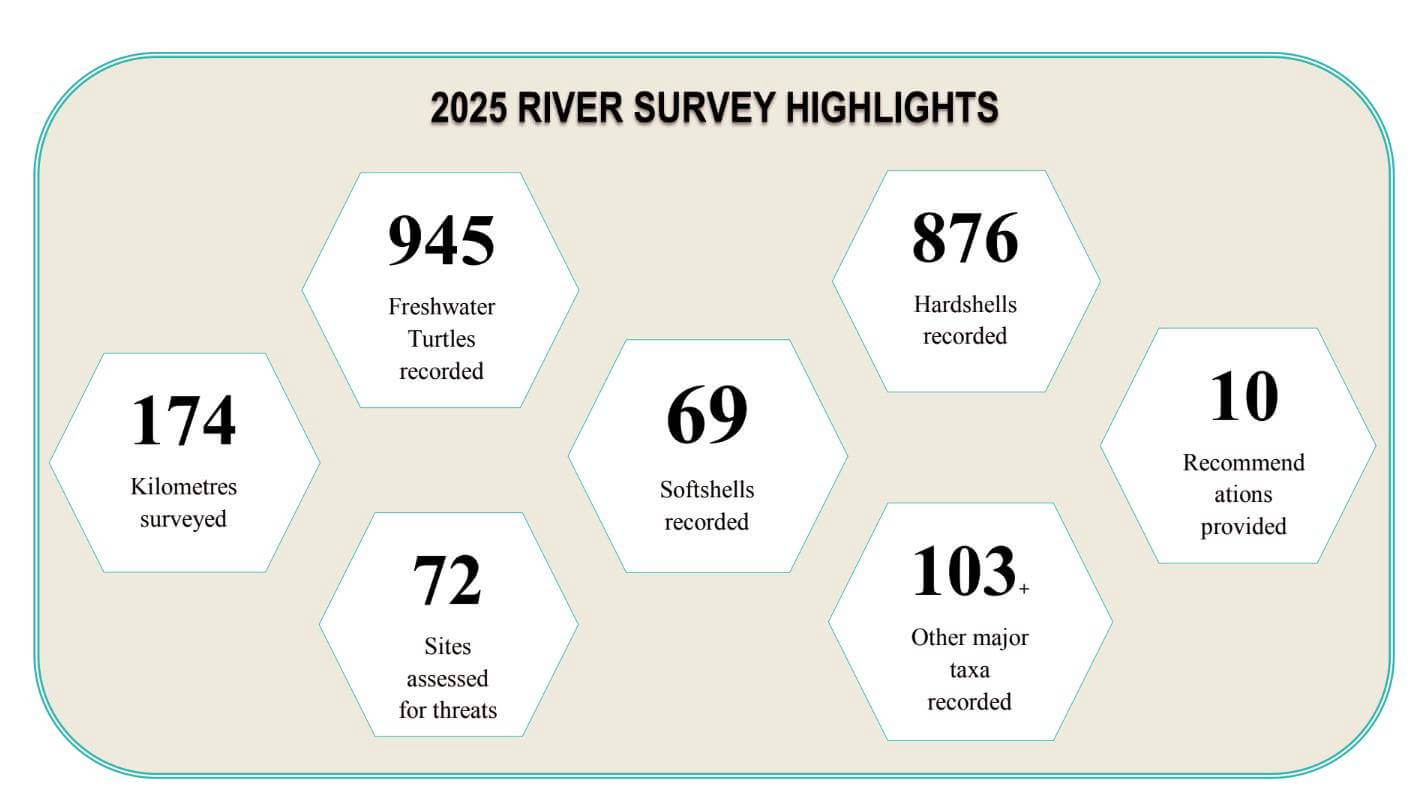
- Number of Turtles Observed: 945
- Identified Species: 7 Species of Freshwater Turtles
- Survey Length: 174 km (along the Brahmaputra River).
- Survey Dates: January 14 – 18
- Survey Partners: KNPTR & ITCP
Breakdown of Reported Species
- 876 Hardshell Turtles
- 69 Softshell Turtles
- 55 Hardshell Turtles Checked
- 13 Softshell Turtles Checked
- 4 Black Softshell Turtles Confirmed
Why the Black Softshell Turtle Matters?
The rediscovery of black soft-shell turtles in Kaziranga National Park represents an important milestone for conservation, especially given their classification as nearly extinct in the wild previously; its apparent resurgence was made possible through:
- The protection of habitat within the Kaziranga National Park.
- The implementation of conservation efforts at a site (Nagshankar Temple; Biswanath District).
- Proactive management and Monitoring conducted by the agencies that administer/maintain our forests.
- Presence of this species is an indicator of both improving river health and successful habitat protection efforts.
Identified Conservation Priority Areas
Researchers identified five major conservation priority habitats, based on:
- Species abundance.
- Habitat condition.
- Human disturbance levels.
These areas will assist in future planning for the conservation of the river by maintaining adaptive management for the evolving ecology of the river.
The Future of Revival
The given information illustrates that there is now concrete evidence of effective conservation efforts associated with the Kaziranga Freshwater Turtle Survey that was recently completed in Assam. As a result of this project, 945 individual turtles were identified and this included a number of rare species, including the critically endangered Black Softshell Turtle. The findings of this study confirm that the Brahmaputra River ecosystem provides essential ecological functions. Future cooperation between Kaziranga National Park & Tiger Reserve (KNTPR) and ITCP will be essential to continue the success of these delicate ecosystems and for Kaziranga to remain an example of excellence in conserving freshwater biodiversity at an international level.
Other Interesting Blogs to Read
- Popular Tea Gardens to Visit in Assam
- Tea Estate Tourism at Kaziranga National Park
- Rare Golden Tiger Sighting at Kaziranga National Park
- Best Tourist Destinations in Assam
- The Rhino Population of Kaziranga National Park in Assam Rises
- Best Places to Visit in Kaziranga National Park
- Interesting Facts About Kaziranga National Park
- Importance of the Conservation of Greater One-Horned Rhinos
- Best Wildlife Resorts to Stay in Kaziranga
- Top 10 Reasons to Visit Kaziranga Tiger Reserve in Assam
- Discover Kaziranga Beyond Wildlife: Culture, Heritage & Nature
- Astro Tourism in Kaziranga
- Kaziranga Elevated Corridor



 Share
Share Home
Home Packages
 Book Now